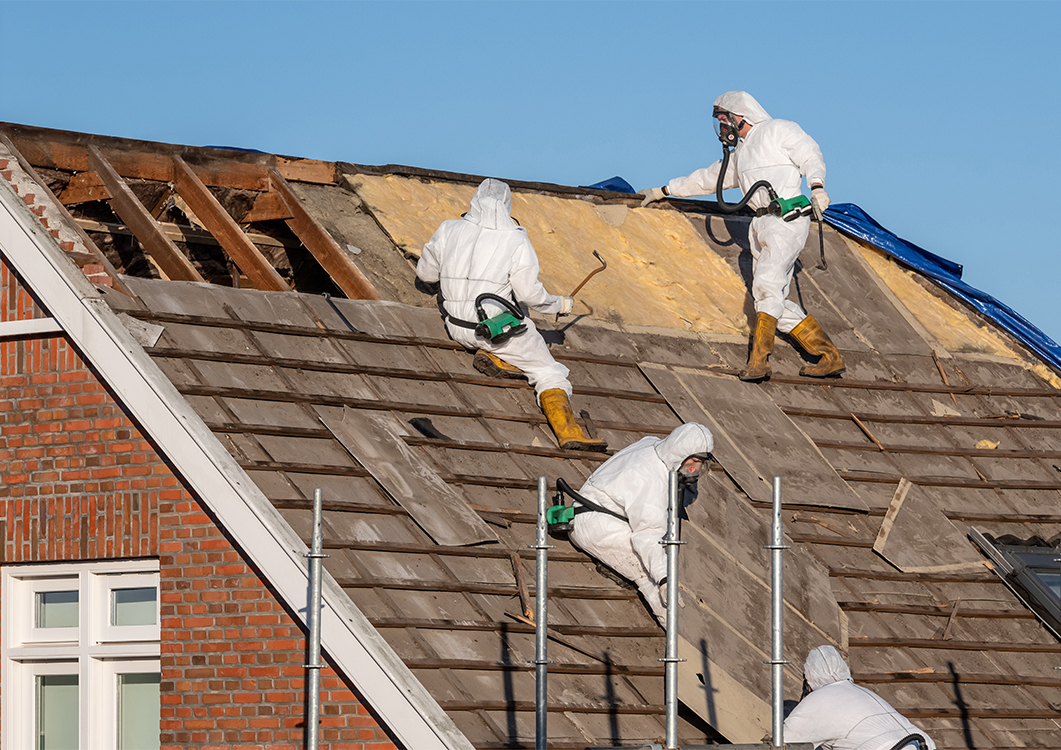
The Dangers Of Asbestos in Your Home
When it comes to maintaining a safe living environment, asbestos is a topic that should never be overlooked. Found in many homes built before the 1980s, this naturally occurring mineral—classified as a type of stone—was once hailed for its fire-resistant and insulating properties. However, the discovery of its hazardous nature has prompted a greater understanding of the dangers it poses to human health. Here, we will explore the risks associated with asbestos in your home and the importance of taking proactive measures to mitigate them.
First and foremost, it’s crucial to understand what asbestos is. Asbestos is a group of fibrous minerals that can be divided into two categories: serpentine and amphibole. The composition of asbestos products typically involves asbestos fibres mixed with other elements like cement, forming materials such as asbestos cement sheets and tiles. Among the types of asbestos, tremolite is an amphibole mineral fibre and a stone with significant health risks. These minerals were widely used in building materials such as insulation, roofing, flooring, and cement products. Asbestos products were commonly used in construction, including eternit and asbestos roof tiles. Over the decades, asbestos products were developed and led to widespread use before the health risks were fully understood. Decades of use, combined with weathering, moisture, and age, can affect the safety of these materials, increasing the risk of fibre release.
The main danger of asbestos lies in its microscopic fibres, which can become airborne when disturbed. When inhaled, these fibres can penetrate deep into the lungs and cause a range of severe health issues. The elements of asbestos products, such as mineral fibres, can become hazardous when released into the air. Prolonged exposure to asbestos has been linked to diseases such as asbestosis, lung cancer, and mesothelioma—a rare and aggressive form of cancer directly associated with asbestos exposure. Asbestos cement roof tiles, including those made by the eternit brand, were especially popular due to their lightweight nature compared to heavier roofing materials. It is worth noting that even materials in good condition can deteriorate over time, especially due to weathering and moisture, increasing the risk of fibre release.
The concerning aspect of asbestos in homes is that it can exist unnoticed for years, silently posing a threat to occupants. Many people mistakenly believe that if their home was constructed after the 1980s, it is free from asbestos. However, asbestos-containing materials may still be present in older homes due to renovations or the use of existing materials during construction. Therefore, it is crucial to be aware of potential sources and take appropriate actions to ensure a safe living environment. Dealing with asbestos in good condition requires caution, as making a mistake in handling or removing it can have serious health and legal consequences. Professional inspection is essential, and the date when materials were installed, as well as the presence of new technology markings, can help identify asbestos-free alternatives.
Given the potential risks associated with asbestos, it is crucial to approach its management with utmost caution. If you suspect the presence of asbestos in your home or are planning any renovations, it is advisable to consult a professional who specialises in asbestos testing and removal. Only a certified company should handle large-scale asbestos removal jobs, and replacing an asbestos roof is a complex job best left to experts. Professional asbestos removal companies provide a guarantee of safety and compliance, ensuring peace of mind throughout the process.
In conclusion, asbestos poses a significant risk to your health if present in your home. When renovating or replacing old materials, it is important to consider alternatives to asbestos products, such as modern fibre cement tiles. Importantly, evidence and statistics prove the health risks of asbestos exposure, making professional management essential. Whether you are buying an older home or planning renovations, investing in professional asbestos testing and removal is a responsible choice that can safeguard the well-being of your loved ones.
Don’t underestimate the dangers of asbestos—take action today and prioritize your family’s health and safety.
Contact us:
01932 556 200
07852 414 794
info@surreyasbestossurveys.com
1. Introduction: Why Asbestos is a Hidden Threat
Asbestos remains a hidden threat in many homes and buildings, often lurking in building materials such as roof tiles, corrugated sheets, and insulation. While these materials may appear harmless, the presence of asbestos fibres within them can pose serious health risks. When asbestos-containing materials are damaged, disturbed, or begin to deteriorate with age, they can release harmful fibres into the air. Inhalation of these fibres is a leading cause of lung cancer and mesothelioma, both of which are life-threatening diseases. Asbestos exposure is not always obvious, making it crucial to identify and address any asbestos-containing materials in your home or workplace. Prioritizing asbestos removal is essential for minimizing health risks and ensuring the safety of both occupants and workers. By taking proactive steps to manage asbestos, you can help protect your environment from this dangerous and often overlooked hazard.
2. What is Asbestos? A Brief History
Asbestos is a naturally occurring mineral fibre that has been used for centuries, but its popularity soared during the Industrial Revolution. Prized for its fire-resistant and insulating properties, asbestos was once considered a “magic mineral” and became a staple in the production of building materials such as asbestos cement, roof tiles, and insulation. Chrysotile, the most common type of asbestos, was widely used in the manufacture of asbestos cement and other construction materials. However, as the health risks associated with asbestos exposure became clear—including its link to lung cancer and other serious diseases—many countries eventually banned its use. Despite this, asbestos can still be found in older buildings, making awareness and proper management of this material a continuing priority for homeowners and professionals alike.
3. Where Asbestos Lurks: Common Asbestos-Containing Materials in Homes
Asbestos can be found in a surprising variety of building materials, especially in homes constructed before the 1990s. Common places where asbestos may be present include asbestos cement roof tiles, corrugated sheets, and various insulation products. These materials were valued for their durability and resistance to fire, but their hidden danger lies in the asbestos fibres they contain. Even today, many buildings still have asbestos cement products, roof tiles, and insulation that can pose a risk if disturbed. It’s important to be aware of the potential presence of asbestos in these materials and to take steps to identify and address them. Professional asbestos removal is the best course of action to ensure the safety of everyone in the building, especially workers who may be exposed during renovations or repairs.
4. How to Identify Asbestos in Your Home
Spotting asbestos in your home isn’t always straightforward, but there are some key indicators to look out for. Materials such as asbestos cement roof tiles, corrugated sheets, and certain types of insulation are common culprits. If you notice any of these materials showing signs of damage, wear, or disturbance, there is a risk that asbestos fibres could be released into the air. Because asbestos can be difficult to identify by sight alone, the safest approach is to contact a professional who can conduct a thorough inspection and testing. Attempting asbestos removal yourself is dangerous and should only be carried out by trained professionals equipped with the right safety gear and procedures. If you suspect asbestos is present, don’t take chances—reach out to a qualified expert to determine the best course of action for your home’s safety.
5. The Health Risks: Why Asbestos Exposure is Dangerous
Exposure to asbestos fibres is a serious health hazard that can lead to life-altering diseases. When asbestos fibres are inhaled, they can become lodged deep in the lungs, where they may cause inflammation and scarring over time. This can eventually lead to conditions such as asbestosis, lung cancer, and mesothelioma—a rare but aggressive cancer directly linked to asbestos exposure. The risk is especially high for workers involved in construction, renovation, or demolition of buildings containing asbestos materials, but anyone living or working in such environments can be affected. Even small amounts of airborne asbestos can be harmful, making it essential to minimize exposure and prevent fibres from entering the air. Professional asbestos removal is the most effective way to eliminate these risks and protect the health and safety of everyone in the building.