
Crucial Insights Into Conducting an Effective Asbestos Survey
An asbestos survey identifies asbestos-containing materials (ACMs) in buildings. This survey is vital for safety and legal compliance, especially for buildings built before 2000. This article explains what an asbestos survey involves, its importance, and when you need one.
Key Takeaways
- Asbestos surveys are essential for identifying asbestos-containing materials (ACMs) and assessing risks in buildings, particularly those constructed before 2000.
- There are two main types of asbestos surveys: management surveys for ongoing safety and refurbishment or demolition surveys for pre-construction assessments, each serving unique purposes.
- Choosing a qualified asbestos surveyor is crucial for compliance and safety, with emphasis on necessary accreditations, certifications, and ongoing management for effective asbestos risk mitigation.
Understanding Asbestos Surveys
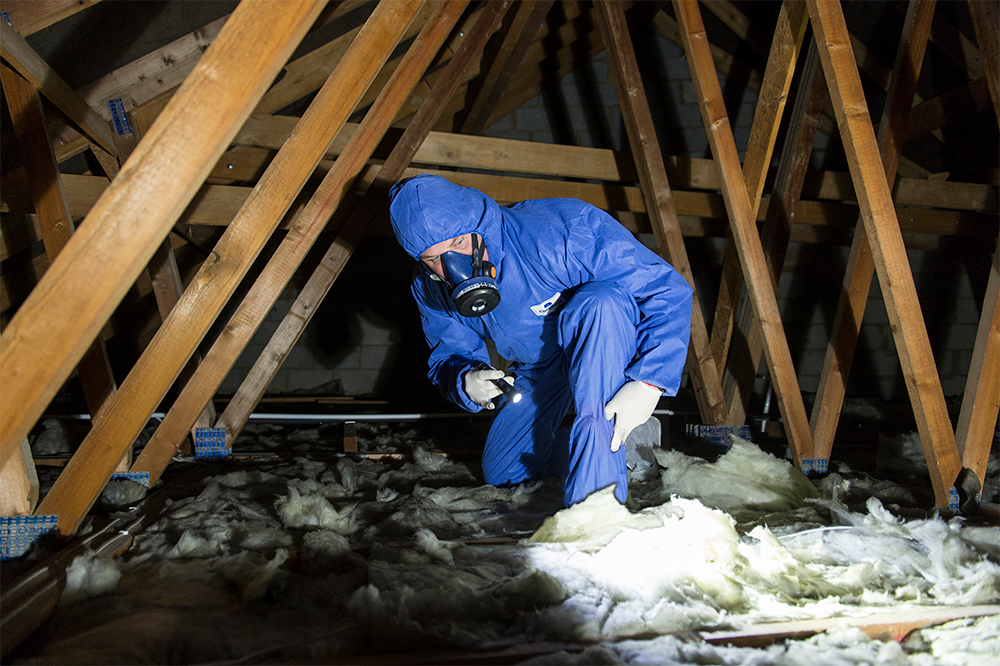
Asbestos surveys are specialized checks conducted by experts to identify the presence of asbestos-containing materials (ACMs) in buildings. These surveys aim to locate ACMs, assess the associated risks, and implement effective management measures. Knowing the exact location and condition of asbestos materials helps in crafting a strategic safety management plan.
Without a proper standard asbestos survey, one must presume that asbestos is present wherever it could potentially be, leading to unnecessary precautions and possibly increased costs, including asbestos survey cost. A well-executed survey allows for precise management of asbestos risks, ensuring compliance with relevant asbestos regulations and protecting the health of occupants and workers.
Identifying asbestos involves microscopic examination, which adds complexity to the task. Asbestos surveyors meticulously sample suspect asbestos containing materials and analyze them to confirm asbestos present. This precision is vital for managing asbestos safely, especially during construction or renovation projects where disturbances could release harmful asbestos fibres into the air.
Ultimately, the survey results guide the risk assessment and mitigation of risks, whether through containment or removal of the material asbestos materials.
Types of Asbestos Surveys
There are two primary types of asbestos surveys: management surveys and refurbishment or demolition surveys. Each type of asbestos serves a distinct purpose and is suited to different scenarios within the lifecycle of a building.
Each type serves a distinct purpose, so understanding their unique roles and requirements is important.
Management Survey
A management survey is designed to identify acms and assess the condition of ACMs during the normal occupancy of a building. The main goal is to facilitate the ongoing management of asbestos awareness and monitoring its condition to ensure safety. These surveys primarily focus on non domestic properties and shared areas of domestic properties constructed before 2000. The survey aims to ensure that safety standards are met.
The scope of a management survey includes all accessible areas within the whole building, such as rooms, corridors, and service ducts. Specific areas to be inspected are defined by the survey scope, with some degree of intrusion and disturbance necessary to accurately assess the materials’ condition. If certain areas cannot be inspected, it is assumed that they contain asbestos until proven otherwise.
The findings of a management survey are crucial for creating an asbestos register and a comprehensive asbestos management plan. These documents help duty holders manage asbestos risks effectively during the building’s normal use and occupancy. The survey results, combined with ongoing monitoring, ensure that any changes in the condition of ACMs are promptly addressed to maintain safety, with the duty holder ensuring compliance.
Refurbishment and Demolition Survey
Refurbishment and demolition surveys are more comprehensive and invasive than management surveys, designed to locate hidden ACMs before any major refurbishment work or structural work begins, including any minor intrusive work. The goal is to identify and detail ACMs in areas planned for refurbishment or demolition works. These refurbishment or demolition survey are legally required before any significant renovations or demolitions can proceed.
The process involves destructive inspection, which may disturb asbestos materials, making it necessary to vacate the area during the survey. Samples of suspect material are taken and tested in a laboratory to confirm the presence of asbestos. This thorough inspection ensures that all potential asbestos risks are identified and managed before construction activities commence.
Knowing the precise location and condition of ACMs is vital for managing asbestos during refurbishment or demolition. This information helps prevent accidental disturbances that could release harmful asbestos fibres, ensuring the safety of workers and occupants.
When You Need an Asbestos Survey

Asbestos surveys are essential for buildings constructed before 2000 due to the high likelihood of ACMs being present. These surveys are mandated for any construction industry, refurbishment, or demolition work on such buildings. The older the building, particularly those built or refurbished during the 50s, 60s, 70s, or 80s, the more critical it is to conduct an asbestos survey.
A refurbishment and demolition asbestos survey is required before construction work on buildings built before 2000 to identify and manage asbestos risks. This includes any refurbishment, maintenance work, or demolition activities. Conducting these asbestos refurbishment surveys ensures that all asbestos materials are identified and managed safely, preventing exposure to asbestos fibres during construction activities.
Conducting an asbestos survey when purchasing a property built before 2000 helps identify potential ACMs. Various scenarios, such as local council orders or planned refurbishments, also trigger the necessity for an asbestos survey. Understanding when and why you need an asbestos survey helps proactively manage asbestos risks and ensure legal compliance.
The Asbestos Survey Process
The process starts with a thorough walkthrough to identify obstacles and validate site plans. This initial step helps surveyors customize their approach, focusing on minimizing intrusion while effectively identifying potential ACMs. The surveyors then methodically inspect the premises, using their expertise to recognize suspect asbestos materials through visual inspection.
A trained person should carry out the sampling of suspect materials, which is a critical part of the process. The samples are then sent to a laboratory for analysis to confirm the presence of asbestos. Trained and competent analysts, accredited to industry standards, should handle the sample analysis. Depending on the initial findings, air testing may also be conducted to determine the levels of airborne asbestos fibres.
The final survey report is a comprehensive document that includes details of all identified asbestos materials, along with photographic evidence and management recommendations. This executive summary serves as a crucial tool for managing asbestos risks and ensuring compliance with asbestos regulations. Understanding the survey process helps appreciate the thoroughness and importance of these inspections.
Legal Requirements and Compliance
Asbestos surveys are legally mandated for various scenarios, including building management and construction activities. Properties constructed before 2000 are typically required to have an asbestos survey due to legal duty obligations. The Control of Asbestos Regulations 2012 govern asbestos management in commercial buildings, ensuring that duty holders comply with safety standards.
Local authorities might require an asbestos survey as part of the planning process for new developments or modifications. Property owners are also responsible for ensuring that any common areas of their properties do not contain hazardous asbestos. Management surveys help duty holders create an asbestos register and management plan, which must be updated at least annually to meet regulations.
Following the latest HSE guidelines and maintaining high standards in surveys ensures compliance with asbestos regulations. ACMs must be removed as far as reasonably practicable before major work, and in high-risk areas, more frequent inspections are required to ensure safety. Adhering to standards like ISO17020, HSG248, and HSG264 maintains the quality and reliability of asbestos surveys.
Choosing a Qualified Asbestos Surveyor
Selecting a qualified asbestos surveyor ensures compliance and safety in managing asbestos risks. Prioritize surveyors with united kingdom accreditation service, as this ensures adherence to industry standards and high-quality service. The BOHS P402 certification is a recognized qualification for asbestos surveying professionals, indicating their expertise in the field.
Affiliation with organizations like RICS or ATaC suggests that the surveyor follows industry best practices. It’s important to verify a surveyor’s credentials by checking their certifications and requesting references. Surveyors should also have liability insurance to protect against potential claims. Experience with local building regulations can enhance a surveyor’s effectiveness in ensuring compliance.
Choosing a technically competent and qualified surveyor ensures a thorough, accurate, and compliant asbestos survey required process, ultimately safeguarding everyone involved.
Interpreting Your Asbestos Survey Report
Reviewing your asbestos survey report is a crucial step in managing asbestos risks. The report typically includes a table listing each sample along with the detected asbestos type, which is essential for determining if asbestos is present in your property. Understanding the terms used in the report, such as ‘Amosite’ or ‘Chrysotile,’ indicates the presence of asbestos, while ‘NADIS’ signifies no asbestos was detected.
The survey results are vital for creating an asbestos register, detailing where asbestos has been detected within the building. This register helps in managing and monitoring the identified ACMs, ensuring that any potential risks are addressed promptly. The report also includes photographic evidence and recommendations for managing or removing the asbestos materials.
Creating an asbestos management plan from the survey report ensures ongoing compliance and safety. This plan outlines the steps to be taken to manage asbestos risks, including regular inspections and maintenance. Thoroughly understanding and utilizing your survey report ensures effective management of asbestos-containing materials.
Ongoing Asbestos Management
Ongoing asbestos management is a critical aspect of ensuring safety after the initial asbestos survey. An asbestos management survey lays the foundation for ongoing monitoring and foreseeable maintenance of identified ACMs. Regular reinspection surveys are necessary to monitor the condition of previously identified ACMs and update the asbestos register. These re-inspections should be conducted every 6-12 months, depending on various factors.
The purpose of asbestos statutory re-inspections is to ensure the safety of occupants and workers by monitoring the condition of ACMs and updating the management plan as needed. Immediate updates to the asbestos management plan are necessary after any disturbance of ACMs or changes in building structure or use. The discovery of damaged ACMs requires urgent prioritization for repair to ensure safety.
By implementing a robust ongoing asbestos management strategy, you can effectively manage asbestos risks, ensuring compliance with work regulations and the safety of everyone involved.
Summary
In summary, asbestos surveys are essential for identifying and managing the risks associated with asbestos-containing materials in buildings. Understanding the different types of surveys, when they are needed, and the detailed process involved helps in ensuring safety and compliance. Legal requirements and the importance of choosing a qualified surveyor cannot be overstated, as these factors significantly impact the effectiveness of asbestos management.
By interpreting your asbestos survey report accurately and implementing ongoing asbestos management strategies, you can protect the health and safety of occupants and workers. Stay informed, proactive, and compliant to mitigate the risks associated with asbestos, ensuring a safer environment for all.
Frequently Asked Questions
Why are asbestos surveys necessary for buildings constructed before 2000?
Asbestos surveys are essential for buildings constructed before 2000 because these structures are more prone to containing hazardous asbestos materials. Identifying and managing these risks is crucial for ensuring the safety of occupants and compliance with health regulations.
What are the main differences between a management survey and a refurbishment and demolition survey?
The primary difference lies in their purpose and approach: a management survey evaluates asbestos-containing materials (ACMs) during normal occupancy, whereas a refurbishment and demolition survey is more thorough and conducted prior to significant structural alterations. This distinction ensures appropriate safety measures are in place based on the project’s scope.
How often should asbestos materials be re-inspected?
Asbestos materials should be re-inspected every 6 to 12 months, depending on specific conditions and the extent of the asbestos presence. Regular monitoring is essential to ensure safety and compliance.
What qualifications should I look for in an asbestos surveyor?
It is essential to seek asbestos surveyors who possess UKAS accreditation and BOHS P402 certification, as well as affiliations with reputable organizations such as RICS or ATaC. These qualifications ensure a high standard of expertise and compliance in asbestos surveying.
What does ‘NADIS’ mean in an asbestos survey report?
‘NADIS’ means ‘No Asbestos Detected in Sample,’ confirming that the analyzed material is free from asbestos.