
Top Reasons You Need an Asbestos Survey Today
An asbestos survey identifies and manages asbestos-containing materials in buildings, ensuring safety and compliance, particularly in properties built before 2000. This article dives into the types of asbestos surveys – management surveys and refurbishment/demolition surveys, explaining when and why you need them.
Key Takeaways
Asbestos surveys are essential for identifying and managing asbestos-containing materials (ACMs) in buildings, helping to ensure safety and regulatory compliance.
There are two main types of asbestos surveys: management surveys for ongoing monitoring and refurbishment/demolition surveys required before major construction activities.
Selecting competent asbestos surveyors with proper qualifications and UKAS accreditation is critical for conducting accurate assessments and ensuring compliance with safety regulations.
Understanding Asbestos Surveys
Asbestos surveys are indispensable tools in identifying and managing asbestos-containing materials (ACMs) within buildings. Due to the significant risks of asbestos exposure, these surveys play a key role in maintaining safety and regulatory compliance. They provide detailed information on the presence, location, and condition of ACMs, forming the backbone of a comprehensive asbestos management plan.
Two primary types of asbestos surveys exist: management surveys and refurbishment/demolition surveys. Each serves a distinct purpose in the ongoing management of asbestos risks, ensuring that both routine use and major construction activities are conducted safely.
What is an asbestos survey?
At its core, an asbestos survey aims to facilitate the initial management of asbestos in a property. These surveys are essential for identifying hidden asbestos materials that might not be immediately visible. Gathering detailed information on potential ACMs allows property owners to manage and mitigate asbestos risks effectively.
Conducting an asbestos survey involves a comprehensive evaluation of the property to identify any asbestos-containing materials present. This critical task should always be performed by a competent asbestos surveyor to ensure accuracy and compliance. Certified surveyors bring the necessary expertise to carry out reliable and compliant assessments, making their role indispensable in the asbestos management process.
Types of asbestos surveys
Asbestos surveys are categorized into two main types: management surveys and refurbishment/demolition surveys. Management surveys are designed for the ongoing monitoring of ACMs in non-domestic properties, ensuring that asbestos risks are effectively managed. These surveys are crucial for maintaining safety and regulatory compliance.
Refurbishment and demolition surveys, on the other hand, are required before any significant construction work begins. These surveys are more intrusive and aim to identify all ACMs to manage them safely during renovations or demolitions.
Regular re-inspection surveys are also necessary to assess the condition of ACMs and ensure continued safety.
Management Surveys Explained

The cornerstone of ongoing asbestos management, management surveys, are pivotal in creating an asbestos register and management plan. These surveys aim to identify and monitor asbestos-containing materials within non-domestic buildings, ensuring that they remain in good condition and do not pose health risks.
Management surveys are not suitable for construction or refurbishment work. Instead, they focus on the regular oversight of ACMs, helping property owners maintain a safe environment through consistent monitoring and updates.
When to conduct a management survey
Any non-domestic building built before the year 2000 is required to have a management asbestos survey. This is mandated by legal regulations. This requirement does not extend to all residential properties, focusing instead on ensuring the safety of workplaces and public buildings.
Conducting management surveys during normal building occupancy allows for a thorough inspection of areas that may contain asbestos. This ensures that the survey accurately reflects the building’s condition during regular use.
What to expect from a management survey
A management survey offers detailed information for effective management of asbestos-containing materials. An asbestos management survey and asbestos management surveys ensure proper monitoring of these materials is crucial. If some areas cannot be accessed during the survey, they will be assumed to contain asbestos. Inspection will be required to confirm their status. This presumption ensures that all potential risks are accounted for.
The survey typically includes a walk-through to verify plans and conduct a risk assessment of the site. Management surveys are unsuitable for construction or refurbishment activities because they lack the necessary level of scrutiny.
Refurbishment and Demolition Surveys
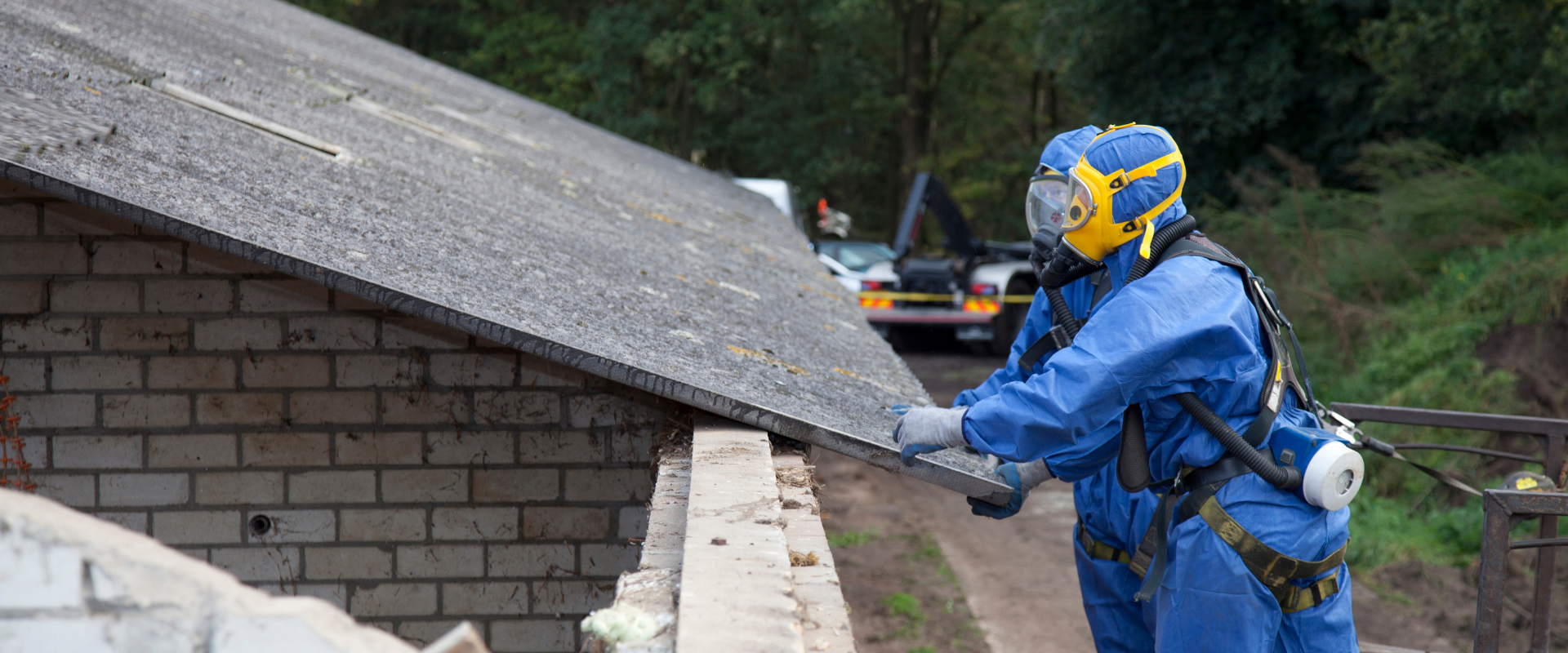
Refurbishment and demolition surveys are crucial for ensuring that asbestos-containing materials are identified and managed effectively before major construction work begins. These surveys aim to locate all ACMs, addressing any risks to protect workers and the public during renovations or demolitions.
Air testing is often conducted to monitor airborne asbestos fibres during or after survey activities, ensuring safety during potentially hazardous work.
When are refurbishment and demolition surveys needed?
Before any major refurbishment or demolition work on buildings constructed before the year 2000, a refurbishment and demolition survey must be completed. This ensures that any asbestos present is identified and managed safely.
These surveys are also necessary for project-specific refurbishments, where future renovations are anticipated. Addressing all potential risks before construction begins is vital for safety and compliance.
The process of a refurbishment and demolition survey
Conducting a refurbishment and demolition survey involves locating and describing all ACMs in the area or building slated for refurbishment or demolition. This process must be carried out by a competent asbestos surveyor.
During the survey, samples of building materials are collected and tested to identify asbestos materials. This thorough examination often includes destructive testing to uncover hidden asbestos materials. The area must be vacated to ensure safety during the survey.
Conducting an Asbestos Survey

Conducting an asbestos survey is a meticulous process that plays a critical role in safety and compliance. These surveys identify the location, quantity, and condition of asbestos-containing materials, significantly reducing health risks related to asbestos exposure.
Accurate documentation from the survey is essential for ongoing asbestos management and ensuring regulatory compliance.
Initial walk-through and planning
The initial step in an asbestos survey is an initial walk-through to identify obstructions and assess the site. This phase helps surveyors recognize areas that may hinder the survey process and aids in effective planning.
The area where the survey occurs must be cleared of all individuals to ensure safety during the assessment.
Sampling and analysis
Sampling for asbestos should be conducted in a controlled manner to avoid contamination and ensure safety. During an asbestos survey, surveyors identify suspect asbestos materials and collect samples for analysis.
UKAS accredited laboratories are vital for ensuring that asbestos samples are analyzed under strict quality standards.
Reporting and recommendations
An asbestos survey report includes details of asbestos materials found, photographs, and management recommendations. These reports are essential for understanding the presence of asbestos and ensuring safety in property management.
Proper documentation and recommendations from the asbestos survey ensure ongoing management and compliance with safety regulations.
Choosing Competent Asbestos Surveyors
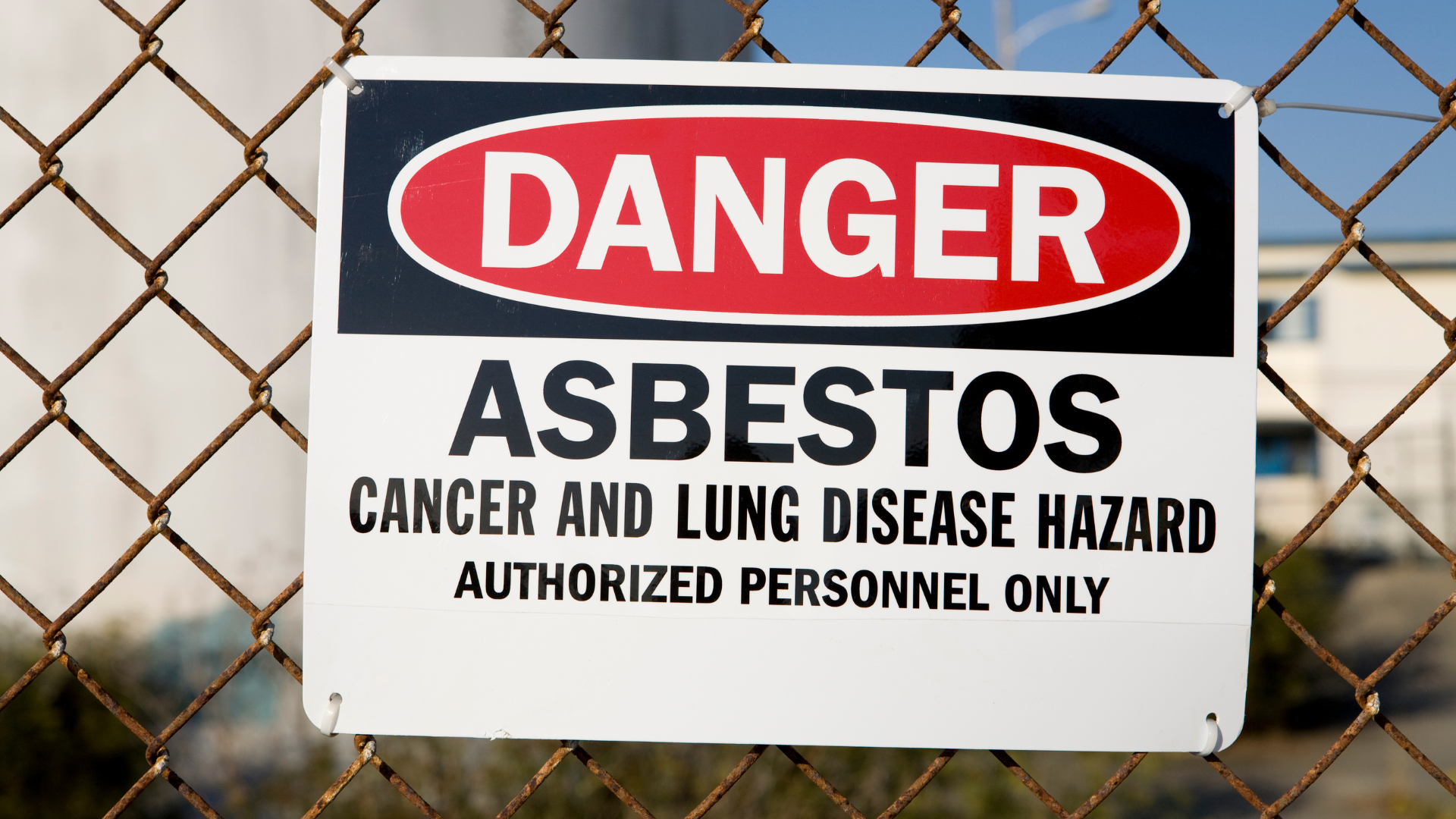
Selecting qualified and experienced asbestos surveyors is crucial to ensure accurate assessments and compliance with safety regulations. A competent asbestos surveyor should have the necessary qualifications and accreditations, such as UKAS accreditation, to ensure their work meets industry standards.
Checking references, reviews, and seeking recommendations from trusted sources can help in finding reliable surveyors.
Qualifications and accreditation
Asbestos surveyors must possess the proper training, experience, knowledge, and competency in asbestos survey work. The UKAS is the accreditation body for ukas accredited asbestos surveys in Great Britain, ensuring they meet established standards.
Continuous professional development is crucial for surveyors to remain informed about best practices and changes in regulations.
Finding reliable surveyors
Use the UKAS website to find licensed asbestos surveyors. Referring to lists of testing laboratories and accredited survey providers can ensure you hire a qualified surveyor.
Checking online reviews can help gauge the reputation of asbestos surveyors before hiring.
Ongoing Asbestos Management
Ongoing management of asbestos materials is crucial to ensure safety and compliance. Management surveys help in creating an asbestos register for effective monitoring. The survey report is essential for informing stakeholders about potential risks and necessary actions for asbestos management.
Creating an asbestos management plan
An effective asbestos management plan should outline the risk assessment and strategies for managing any identified asbestos-containing materials. The plan must detail responsibilities for managing asbestos and include a site-specific register of ACMs.
Compliance involves creating an asbestos management plan and conducting regular risk assessments and audits.
Regular inspections and updates
Regular inspections of asbestos-containing materials help ensure their condition remains stable and that any necessary action is taken promptly. Frequent inspections are essential to monitor their condition and update management plans accordingly.
It is recommended that asbestos-containing materials be inspected at least annually or more frequently if their condition changes.
Legal Responsibilities and Compliance
Following the revisions to the Control of Asbestos Regulations, accreditation by UKAS for asbestos activities has become mandatory. The HSE recommends using asbestos surveyors accredited to the standard BS EN ISO/IEC 17020 to ensure compliance with asbestos regulations.
Ongoing management of asbestos is crucial for ensuring long-term safety and regulatory compliance.
Understanding your duties
Duty holders have legal obligations to manage asbestos risks in non-domestic premises. Those responsible for managing asbestos include owners, landlords, or managers of the property.
Duty holders must create and maintain a record of the location and condition of any asbestos-containing materials.
Ensuring compliance
Regular audits and quality management systems are crucial for maintaining compliance with asbestos regulations. Implementing regular audits and robust management systems ensures legal compliance and significantly enhances safety for all occupants.
Summary
Summarize the key points discussed in the blog post. Emphasize the importance of asbestos surveys, ongoing management, and legal compliance. End with an inspiring message about the importance of asbestos management.
Frequently Asked Questions
What is the primary purpose of an asbestos survey?
The primary purpose of an asbestos survey is to identify and assess the presence of asbestos materials in a property, facilitating effective risk management and safety monitoring. This proactive approach is essential for ensuring the health and safety of occupants.
When is a management asbestos survey legally required?
A management asbestos survey is legally required for any non-domestic building constructed before the year 2000. If your building falls into this category, ensure compliance to protect health and safety.
What is the difference between a management survey and a refurbishment and demolition survey?
The key difference lies in their purpose: management surveys monitor asbestos in existing buildings, whereas refurbishment and demolition surveys are conducted to identify all asbestos-containing materials before major construction activities. Understanding this distinction is crucial for ensuring safety during property modifications.
How does one ensure they are hiring a competent asbestos surveyor?
To ensure you hire a competent asbestos surveyor, verify their qualifications and accreditations, such as UKAS accreditation, and seek references or reviews from trusted sources. This diligence will help you make an informed decision.
Why is ongoing asbestos management important?
Ongoing asbestos management is essential to maintain the stability of asbestos-containing materials, continually assess and mitigate associated risks, and ensure compliance with safety regulations. This proactive approach protects both public health and the environment.