How to Spot Asbestos: A Practical Guide with Visual Examples
Worried about finding asbestos in your home or workplace? This guide will teach you how to spot asbestos in materials like insulation, flooring, and roofing. Learn the visual signs and steps to take for safety.
Key Takeaways
- Asbestos can be found in various building materials, especially in structures built before 2000, highlighting the need for careful inspection during renovations.
- Visual indicators of asbestos-containing materials include fibrous textures, specific colors, and damage signs, which can help identify potential hazards.
- Professional asbestos surveys and removals are essential for safe handling, as improper DIY attempts can expose individuals to serious health risks.
Introduction to Asbestos
Asbestos is a naturally occurring mineral that was once a popular choice in building materials due to its strength, fire resistance, and affordability. It was commonly used in insulation, roofing, and flooring in older buildings. However, when asbestos-containing materials are disturbed, they can release tiny asbestos fibres into the air. Inhaling these fibres poses serious health risks, including asbestosis, lung cancer, and other asbestos-related diseases.
Identifying asbestos in your home or workplace is crucial to prevent asbestos exposure. Asbestos can be present in a wide range of building materials, especially in structures built before the year 2000. If you suspect that materials in your property may contain asbestos, it is important to use asbestos testing kits or seek professional asbestos testing to confirm its presence. Early identification of asbestos-containing materials helps reduce the risk of exposure and protects your health.
Types of Asbestos Materials
Asbestos can be found in a variety of materials used in construction, each presenting different levels of risk. There are two main categories: friable and non-friable asbestos materials. Friable asbestos, such as insulation and ceiling tiles, can easily crumble and release asbestos fibres into the air, making them particularly hazardous. Non-friable asbestos materials, like cement sheets and vinyl floor tiles, are more solid and less likely to release fibres unless they are damaged or disturbed.
Recognizing Asbestos in Building Materials
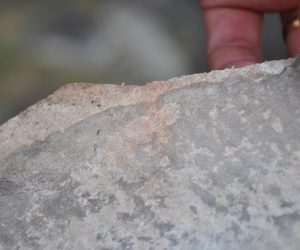
Asbestos use was widespread in building materials for its fire resistance and durability, which is why it is found in so many components today. Identifying asbestos in building materials is crucial, particularly for those in older buildings or undergoing renovations. Asbestos can be found in various materials, including:
- Wall coatings
- Insulation, especially in buildings constructed before 2000
- Textured wall coatings
- Ceiling tiles
- Vinyl flooring
Asbestos was also commonly used in air conditioning and heating systems, especially in older buildings. Recognizing these materials can help prevent harmful exposure during renovations. For example, asbestos can be found in old air conditioning ducts or heating system insulation.
Asbestos is also present in:
- Roofing materials
- Cement sheets
- Vinyl flooring
- Loose asbestos insulation, which is fluffy and candyfloss-like, found in roof spaces and wall cavities. This is also known as loose fill insulation, a fluffy material that can be easily disturbed.
- PVC
- Thermoplastic floor tiles
- Stair nosings
- Sheet materials
Recognizing these common building materials and large quantities of other materials is essential for safety, especially in older buildings, as some can be dangerous.
Recognizing asbestos-containing materials in buildings is necessary to avoid harmful exposure during renovations. Common household items and locations that may contain asbestos include: found asbestos – Wall paints – Ceiling tiles – Fire protection materials – Cavity walls – Under floorboards – Loft spaces – Sewage pipes
Identifying these signs can help protect you and your family from exposed asbestos exposure.
Visual Characteristics of Asbestos Containing Materials
Identifying asbestos-containing materials visually can be challenging, but certain key characteristics can help:
- Asbestos generally appears as fibrous material that flakes and powders easily, with textures ranging from smooth to rough.
- Crocidolite asbestos is light bluish-white with long thin fibers.
- Amosite asbestos is brown and more common in the U.S.
However, asbestos fibers are often invisible to the naked eye, making professional testing necessary to confirm their presence.
Damaged asbestos materials often show small, fuzzy individual fibres and a frayed fabric appearance, indicating a risk of fiber release. Handling or disturbing these materials increases exposure risks due to the release of hazardous fibers into the air. Asbestos textiles, commonly added to plaster building materials until the late 1980s, can be found in old machinery and appliances. These materials frequently show signs of wear and tear, increasing the risk of airborne asbestos fibres.
Professional asbestos testing kits and transmission electron microscopy can be used for a more detailed analysis to identify individual asbestos fibers and confirm their presence in materials. Recognizing visual signs can help identify potential asbestos hazards and prompt necessary precautions to protect your health.
Identifying Asbestos in Floor Tiles
Floor tiles often contain asbestos, particularly in properties built between 1920 and 1980. Old asbestos floor tiles were usually square and came in light colors like pink, green, cream, or blue. These tiles may be hidden under carpets in areas like kitchens and floors.
Vinyl floor tiles backed with asbestos paper and bitumen may also contain asbestos. Black adhesive under floor tiles often indicates asbestos. To accurately identify asbestos, seeking professional inspection is highly recommended, as only trained experts can confirm its presence.
Recognizing these signs and taking appropriate action can help avoid health risks associated with asbestos exposure. If you suspect asbestos in your floor tiles, avoid attempting to remove or disturb them yourself. Contact a professional to handle the situation safely.
Spotting Asbestos in Insulation
Asbestos insulation is another frequent source of exposure. Types of asbestos insulation include:
- Asbestos insulating board, typically found around boilers and partition walls.
- Sprayed coating asbestos insulation, which appears as a thick layer of gray material.
- Loose-fill asbestos insulation, characterized by a lumpy, fluffy texture and lacking a paper backing.
Asbestos pipe insulation and related materials can be identified by the following characteristics:
- Asbestos pipe insulation: resembles corrugated cardboard or paper, usually in off-white or gray shades.
- Vermiculite insulation: has a pebble-like structure with colors ranging from gray-brown to silvery-gold, and may contain asbestos.
- Textured coatings: found on walls and ceilings, which are other potential sources of asbestos.
Asbestos insulation is most hazardous when disturbed, releasing toxic fibers into the air. Common locations include asbestos gaskets, rope seals, and insulating boards in buildings. If vermiculite insulation is suspected, treat it as potentially containing asbestos until confirmed through testing. Recognizing these signs helps in taking necessary precautions to protect health and safety.
Detecting Asbestos in Roofing Materials
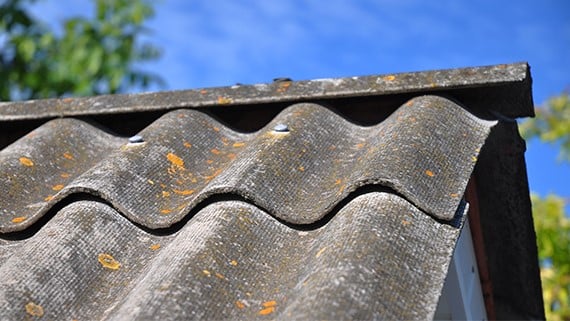
Detecting asbestos in roofing materials can be challenging, as asbestos roofing panels often resemble cement fibre panels. Asbestos cement products can be found in roofing sheets, wall cladding, and water pipes. Buildings or garages constructed before 1999 have a significant chance of containing asbestos in the roofs.
Asbestos roof tiles can be white, grey, or blue grey. To determine if a roof tile contains asbestos, check for an identification mark. If absent, consider sending it for analysis. The most reliable method to confirm asbestos presence in roof tiles is through scientific analysis. Deteriorating asbestos roofing may show visible signs like cracks and scaling.
Identifying these signs can help you recognize potential asbestos hazards in roofing materials and take necessary precautions to protect health and safety.
Signs of Asbestos in Other Common Construction Materials
Asbestos is present in various materials within buildings constructed or renovated before 2000. Common materials and exterior features that may contain asbestos include:
- Asbestos cement products frequently used for roofing and siding in older buildings
- Soffits made from asbestos cement
- Fascias made from asbestos cement
- Gutters made from asbestos cement and other asbestos products
Asbestos cement is ordinary cement mixed with asbestos, resulting in a hard, grey material. Key points about asbestos and asbestos cement include:
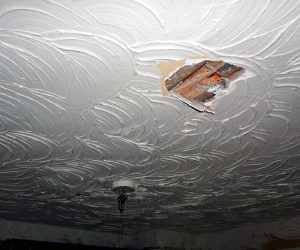
- Textured coatings like Artex may contain asbestos and are often found on ceilings and walls.
- Historically, asbestos has been used for sealing materials such as screw thread joints, pipes, and valve joints.
- Asbestos cement typically appears hard and grey, molded and compressed.
Identifying these signs can help recognise asbestos hazards in construction materials and prompt necessary precautions to protect health and safety.
Health Risks of Asbestos Exposure
Asbestos exposure leads to various health conditions, including:
- Lung cancer
- Mesothelioma
- Asbestosis
- Other asbestos-related diseases
The primary disease caused by asbestos exposure is mesothelioma, linked to inhaling asbestos fibers. Lung cancer symptoms may not appear until 15 to 35 years after exposure and can develop in either non-small cell or small cell forms.
Longer and thinner asbestos fibers are closely associated with an increased risk of lung cancer, potentially increasing the high risk by up to five times. Approximately 4% of lung cancer cases in the U.S. are linked to asbestos exposure, complicating treatment options due to the long latency period. Discuss any inadvertent exposure to asbestos with a primary care physician to assess potential risks.
If you suspect asbestos exposure, consult your primary care physician for advice and further investigation. In the UK, asbestos is the leading cause of work-related deaths, contributing to the deaths of 5,000 builders, plumbers, electricians, and woodworkers annually from related cancers. Recognizing these health risks helps in taking necessary precautions to protect health and safety.
Regulatory Framework
Strict regulations are in place to protect people from the dangers of asbestos exposure. In the UK, the use of asbestos was banned in 1999, and the Control of Asbestos Regulations 2012 requires employers and property owners to manage asbestos risks in the workplace. In the United States, the Environmental Protection Agency (EPA) and the Occupational Safety and Health Administration (OSHA) set standards for asbestos exposure and regulate the handling and removal of asbestos-containing materials.
Commercial properties are legally required to conduct thorough asbestos audits, which include laboratory testing of any materials suspected to contain asbestos. For homeowners, asbestos testing kits are available to safely collect samples for professional analysis. Adhering to these regulations helps minimize the risks associated with asbestos exposure and ensures that asbestos materials are managed and removed safely.
Asbestos Awareness and Education
Raising awareness about asbestos is vital for preventing exposure and protecting health. Workers in the construction industry, especially those involved in demolition, renovation, or maintenance, are at high risk of encountering asbestos-containing materials. Asbestos awareness training teaches workers how to identify asbestos, understand the risks, use personal protective equipment, and follow safe procedures when working with or around asbestos materials.
Homeowners can also benefit from learning about asbestos, particularly if they live in older buildings. Understanding where asbestos may be present and how to identify asbestos-containing materials can help prevent accidental exposure. Asbestos testing kits are a useful tool for safely checking suspected areas in your home. By staying informed and proactive, both workers and homeowners can reduce the risk of asbestos exposure and related health risks.
What to Do If You Suspect Asbestos
If you suspect your home has asbestos, consider the following recommendations:
- Avoid trying to repair or remove it yourself unless trained.
- Consult an environmental health officer if you find asbestos suspected in your home.
- Conduct regular inspections of asbestos-containing materials to check for any signs of damage.
Key points regarding asbestos handling and disposal:
- Badly damaged asbestos materials should be removed by licensed professionals.
- Asbestos waste must be disposed of properly as hazardous waste and not mixed with regular trash.
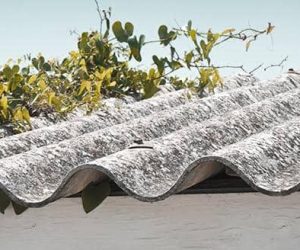
- Damaged suspected asbestos roofing panels can release harmful fibres into the air.
Inform contractors about any suspected asbestos during home repairs to minimize risk. Taking these steps helps in adopting necessary precautions to protect health and safety.
Professional Asbestos Surveys and Removal Services
Surrey Asbestos Surveys offers various types of asbestos surveys, including:
- Management
- Refurbishment
- Demolition
- Re-inspection
They handle a wide range of asbestos removal projects, ensuring a hassle-free, safe, and discreet process. A professional company, Surrey Asbestos Surveys, ensures compliance with waste management regulations during asbestos material disposal, following guidelines set by the environmental protection agency.
The company provides consultancy services to help clients navigate UK regulations regarding asbestos management and safe removal. An asbestos survey provides detailed information on the presence and condition of asbestos in a building. Surrey Asbestos Surveys offers the following services:
- Asbestos surveying
- Sampling
- Consultation
- Removal
- Waste management services.
Surrey Asbestos Surveys provides asbestos surveys and removal services in the South London area. Recognizing the importance of professional help aids in taking necessary precautions to protect health and safety.
Resources and Support
If you are dealing with asbestos, there are many resources and support services available to help you stay safe. The Health and Safety Executive (HSE) provides comprehensive guidance on how to identify asbestos, assess risks, and implement control measures. The Environmental Protection Agency (EPA) also offers valuable information on asbestos-containing materials, asbestos testing, and safe removal practices.
Professional asbestos removal companies are equipped to handle the safe and compliant removal of asbestos-containing materials. Local councils can provide advice on regulations and disposal guidelines in your area. It is essential to choose a reputable and licensed company for asbestos removal to ensure that all work is carried out safely and in accordance with the law. Taking these steps will help you identify asbestos, manage risks, and protect yourself and others from the dangers of asbestos exposure.
Summary
Identifying asbestos in your home or workplace is crucial for your safety and health. From recognizing asbestos in building materials to understanding the visual characteristics of asbestos-containing materials, this guide has provided you with the knowledge to spot potential hazards. We’ve also discussed the health risks associated with asbestos exposure and the steps to take if you suspect asbestos in your surroundings.
Remember, professional help is always recommended when dealing with asbestos. Companies like Surrey Asbestos Surveys offer comprehensive services to ensure the safe removal and disposal of asbestos materials. By staying informed and proactive, you can protect yourself and your loved ones from the dangers of asbestos exposure.
Frequently Asked Questions
What regions does Surrey Asbestos Surveys operate in?
Surrey Asbestos Surveys operates primarily in Surrey, Sussex, London, Kent, Hampshire, and Berkshire. This broad coverage ensures they can serve a wide range of clients in these regions effectively.
What services does Surrey Asbestos Surveys provide?
Surrey Asbestos Surveys offers comprehensive services including asbestos surveying, sampling, consultation, removal, and waste management. This ensures a thorough approach to asbestos safety and compliance.
What is the leading cause of work-related deaths in the UK?
Asbestos exposure is the leading cause of work-related deaths in the UK. This highlights the critical need for strict regulations and safety measures to protect workers from hazardous materials.
How many builders, plumbers, electricians, and woodworkers die each year from asbestos-related cancers?
Approximately 5,000 builders, plumbers, electricians, and woodworkers die annually from asbestos-related cancers. This statistic underscores the significant health risks associated with asbestos exposure in these professions.
What health risks are associated with asbestos exposure?
Asbestos exposure can significantly increase the risk of various diseases, including lung cancer, mesothelioma, and asbestosis. These serious health conditions highlight the importance of avoiding exposure to asbestos.