
Asbestosis Diagnosis: Early Detection & Diagnostic Tests
Introduction: Unveiling Asbestosis – A Surrey Perspective
Asbestosis is a chronic, severe, and irreversible lung condition defined by the scarring of lung tissue, a process known as pulmonary fibrosis. This scarring is not cancerous in itself, but it represents a serious and debilitating disease that significantly impairs lung function. The fibrotic tissue causes the lungs to become stiff, which restricts their natural ability to expand and contract during breathing, leading to progressive difficulty in getting enough air. While the National Health Service (NHS) classifies asbestosis as a rare condition , it remains a profound concern for individuals with a history of exposure to asbestos fibres. The long delay between exposure and the onset of symptoms often means individuals do not connect their deteriorating respiratory health with past occupational or environmental encounters with asbestos, contributing to challenges in early detection.
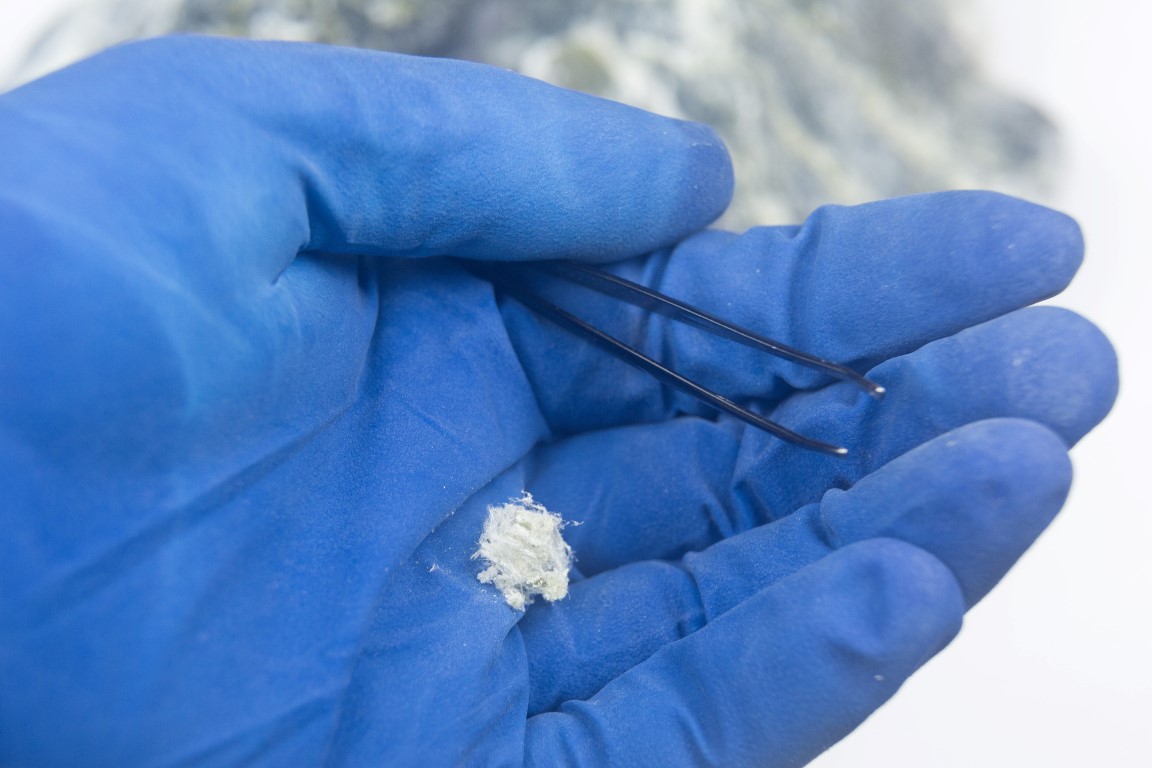
The development of asbestosis is inextricably linked to the prolonged inhalation of asbestos fibres. Asbestos was a ubiquitous building material in the United Kingdom from the 1950s through to the 1990s, valued for its versatility and resistance to heat and corrosion. Its use was widespread until a complete ban was enforced in the UK in 1999. Consequently, any building constructed or refurbished before the year 2000 may still harbour asbestos-containing materials (ACMs). This fact is of particular relevance to the housing stock in Surrey, where many properties date back to this period. The common types of asbestos include Crocidolite (blue asbestos), Amosite (brown asbestos), and Chrysotile (white asbestos), all of which were employed for their insulating, fire-protective, and anti-corrosive qualities. From a health perspective, amphibole fibres, such as blue and brown asbestos, are generally considered more pathogenic and persistent in the lungs compared to chrysotile. The historical prevalence of these materials means that many Surrey homeowners, especially those in properties built or significantly renovated before 2000, could be unknowingly living with a potential future health hazard. The “silent” nature of intact asbestos, posing little risk until disturbed , can unfortunately mask this underlying danger.
A defining and challenging characteristic of asbestosis, and indeed most asbestos-related diseases, is its long latency period. Symptoms typically do not manifest until 10 to 40 years after the initial exposure to asbestos fibres. In some cases, this period can extend from 15 to 60 years , or even between 20 and 50 years. This significant delay often makes it difficult for individuals and healthcare providers to associate emerging symptoms with exposures that may have occurred decades earlier, frequently leading to delays in diagnosis. This long interval can create a deceptive sense of security among those exposed many years ago, causing them to potentially dismiss early, subtle symptoms or fail to link them to past asbestos contact. This delay directly impacts the critical window for “early detection.” Furthermore, the psychological toll of knowing about potential past exposure, even before any symptoms appear, can be substantial, given the known severity of asbestos-related conditions and the prolonged, uncertain wait for any manifestation of illness.
This guide is specifically designed to be vital for residents in Surrey, a county with a diverse range of older properties and a history that may include past industrial activities leading to asbestos exposure. Empowering Surrey residents with comprehensive knowledge about asbestosis, the paramount importance of early detection, the intricacies of the diagnostic tests involved, and the latest medical and regulatory insights anticipated and emerging in 2025 is the primary aim.
In this context, the role of professional asbestos surveys becomes indispensable in safeguarding public health. Identifying, assessing, and managing asbestos within properties are fundamental steps in preventing exposure and subsequent disease. Organisations such as Surrey Asbestos Surveys conduct these crucial assessments. Professional surveys, ideally performed by competent surveyors accredited by the United Kingdom Accreditation Service (UKAS) as recommended by the Health and Safety Executive (HSE), can accurately locate ACMs, evaluate their current condition, and provide essential information for creating robust asbestos management plans. Such surveys offer considerable peace of mind to homeowners and are especially critical before undertaking any renovation, refurbishment, or demolition work in Surrey properties built before the year 2000. Proactive surveying is therefore not merely a compliance issue for businesses but a critical preventative health measure for homeowners.
Asbestosis Test: Understanding the Nature of How Asbestos Harms Your Lungs
Understanding how asbestosis develops requires insight into the journey of asbestos dust and fibers within the respiratory system. When asbestos fibers, particularly those that are long and thin, are inhaled, they can bypass the body’s natural defense mechanisms in the upper airways and penetrate deep into the lungs, eventually lodging in the alveoli – the tiny air sacs where oxygen and carbon dioxide exchange occurs.
Once these fibers are embedded, the body’s immune cells, primarily macrophages, attempt to engulf and remove them. However, asbestos fibers, especially the amphibole types like crocidolite (blue) and amosite (brown), are highly durable and resistant to breakdown within the body. This frustrated phagocytosis (the process of engulfment by cells) triggers a persistent inflammatory response. Over many years, this chronic inflammation leads to the gradual formation of scar tissue, or fibrosis, around the lodged fibers and in the interstitial tissue of the lungs. This scarring process causes the lung tissue to thicken and lose its natural elasticity, making the lungs stiff and less compliant. As a result, the lungs cannot expand and contract efficiently, leading to a progressive reduction in lung volume and an increased difficulty in breathing. The toxicity of asbestos fibers is influenced by several factors, including the dose (amount of fibers inhaled), dimension (length and diameter of fibers), and biodurability (how long they persist in the lung tissue). The fibrotic process characteristic of asbestosis often begins in the lower lobes of the lungs, particularly around the respiratory bronchioles and alveolar ducts, and can extend over time, potentially leading to a “honeycomb” appearance in advanced stages, visible on imaging scans.
Recognizing the symptoms of asbestosis is crucial for seeking timely medical attention. However, the non-specific nature of early symptoms means they can often be misattributed to more common conditions such as aging, general deconditioning, or smoking-related lung issues, particularly given the long latency period. This potential for misattribution can further delay diagnosis. The common signs and symptoms include:
- Shortness of breath (dyspnoea): This is often the earliest and most prominent symptom, initially occurring during physical activity but, as the disease progresses, can also occur at rest.
- Persistent, dry cough: A chronic cough that does not produce significant phlegm is common.
- Chest tightness or pain: Discomfort or a feeling of constriction in the chest may be experienced.
- Crackling sounds in the lungs: When a doctor listens to the lungs with a stethoscope, they may hear fine, dry, crackling sounds, often described as “Velcro” rales, particularly at the end of inspiration. These sounds are caused by the sudden opening of scarred small airways.
- Fatigue: Profound tiredness and lack of energy are frequently reported.
- Wheezing: While less common than in obstructive lung diseases, some individuals with asbestosis may experience wheezing.
- Clubbing of fingertips and toes: In more advanced stages of asbestosis, the tips of the fingers and toes may appear wider and rounder than normal. This is a sign of chronic low oxygen levels in the blood.
- Unexplained weight loss: This can occur, particularly as the disease progresses.
It is vital to understand that asbestosis is not the only health risk associated with asbestos exposure. Individuals with asbestosis face an increased risk of developing other serious conditions:
- Lung Cancer: Asbestos exposure is a known cause of lung cancer. This risk is dramatically amplified in individuals who also smoke. The synergistic effect between asbestos and tobacco smoke means that smokers exposed to asbestos have a many-fold higher risk of lung cancer than either asbestos-exposed non-smokers or smokers not exposed to asbestos. This compounded cancer threat is a critical public health message.
- Malignant Mesothelioma: This is a rare but highly aggressive cancer that affects the lining of the lungs (pleural mesothelioma) or, less commonly, the lining of the abdomen (peritoneal mesothelioma) or heart (pericardial mesothelioma). Mesothelioma is almost exclusively caused by asbestos exposure.
- Other Pleural Diseases:
- Diffuse Pleural Thickening: This involves widespread scarring and thickening of the pleura (the membrane lining the lungs and chest cavity). If extensive, it can restrict lung expansion and cause breathlessness.
- Pleural Plaques: These are discrete, chalky areas of collagen build-up on the pleura. They are generally considered benign and often do not cause symptoms. However, pleural plaques are a significant finding because they serve as a definitive biological marker of past asbestos exposure. While the plaques themselves may be harmless, their presence indicates that the individual has inhaled asbestos fibers and is therefore at risk for developing more serious asbestos-related diseases like asbestosis, lung cancer, or mesothelioma. A finding of pleural plaques should prompt a discussion about ongoing health monitoring and awareness of the symptoms of these other conditions.

III. The Imperative of Early Diagnosis: Why Timeliness is Key
The journey to an asbestosis diagnosis can be protracted, often marked by uncertainty due to the condition’s long latency period and non-specific early symptoms. This “diagnostic odyssey” can itself cause significant psychological distress for patients and their families, even before a definitive diagnosis is reached. However, achieving an early and accurate diagnosis of asbestosis is paramount, as it profoundly influences prognosis, quality of life, and access to supportive measures once asbestosis is diagnosed.
While asbestosis currently has no cure, and the lung scarring it causes is irreversible, early diagnosis is far from futile. It opens the door to timely interventions aimed at managing symptoms, potentially slowing disease progression with emerging therapies, and significantly improving an individual’s overall quality of life. Early detection also facilitates the prompt management of associated complications, such as respiratory infections, and allows for surveillance for asbestos-related malignancies like lung cancer or mesothelioma, where earlier treatment can lead to better outcomes. Although life expectancy after an asbestosis diagnosis averages around 10 years, this figure varies considerably depending on disease severity, rate of progression, and the presence of comorbidities. Early and proactive management can positively influence this outlook.
Several challenges complicate the early diagnosis of asbestosis. The primary obstacle is the extensive latency period, which can span from 20 to 50 years between initial asbestos exposure and the appearance of noticeable symptoms. This long delay often means individuals do not connect their current respiratory complaints with occupational or environmental exposures that occurred decades prior. Furthermore, the initial symptoms of asbestosis—such as shortness of breath and a persistent cough—are non-specific and can easily be mistaken for other common respiratory conditions like chronic obstructive pulmonary disease (COPD), asthma, bronchitis, or even symptoms associated with aging or general deconditioning. This symptom overlap can lead to misdiagnosis or significant delays in reaching the correct diagnosis. A lack of specific awareness among some primary care physicians about the crucial link between current, seemingly innocuous respiratory symptoms and distant historical asbestos exposure can also contribute to these diagnostic delays. Compounding these issues is the fact that early lung damage from asbestosis may not produce clear, definitive signs on initial tests like chest X-rays, with abnormalities sometimes only becoming apparent once significant fibrosis has already developed.
The process to diagnose asbestosis involves a combination of medical history, physical examination, and diagnostic tests, which can be complex due to the overlap of symptoms with other lung diseases.
Early intervention, once asbestosis is suspected or confirmed, is critical in managing the course of this progressive lung fibrosis. A fundamental first step is to ensure the individual is removed from any ongoing asbestos exposure to prevent further lung damage. Access to supportive treatments can make a substantial difference to daily life. Pulmonary rehabilitation programs, which combine tailored exercise training, education about the condition, and breathing techniques, can significantly help manage breathlessness, improve exercise capacity, and enhance overall well-being. Supplemental oxygen therapy may be prescribed if blood oxygen levels are low, helping to alleviate breathlessness and support physical activity.
For individuals whose asbestosis exhibits a progressive fibrosing phenotype (meaning the scarring continues to worsen over time), newer antifibrotic medications are showing promise in slowing the rate of lung function decline, particularly if initiated in the earlier stages of progression. Early diagnosis is also crucial for establishing a baseline for lung function and monitoring for, and enabling early treatment of, serious complications such as lung cancer or mesothelioma, which are known risks for individuals with asbestosis.
Beyond the medical aspects, an early diagnosis is vital for enabling individuals to access legal and financial support systems. Compensation claims and applications for industrial injuries benefits often have strict time limits that are typically linked to the date of diagnosis. Any delay in obtaining a formal diagnosis could potentially jeopardize an individual’s entitlement to these forms of support.
Finally, the challenge of accurately differentiating asbestosis from other interstitial lung diseases (ILDs), most notably Idiopathic Pulmonary Fibrosis (IPF), which shares many clinical and radiological features, underscores the necessity for expert evaluation. This often involves a multidisciplinary team (MDT) review, bringing together pulmonologists, radiologists, and sometimes pathologists, ideally within a specialist ILD centre. Such centres typically have greater experience and access to the full range of diagnostic tools and newer therapeutic options, ensuring a more accurate diagnosis and tailored management plan. Therefore, if a GP suspects asbestosis, a referral to a respiratory specialist with expertise in ILDs and access to an MDT is a critical step in the patient’s journey.
IV. The Asbestosis Diagnostic Pathway: A Comprehensive UK Guide
The journey to diagnosing asbestosis involves several key steps, starting with the patient’s initial concerns and culminating in specialist assessments. Understanding this pathway can help individuals in Surrey navigate the process more effectively.
Step 1: Consulting Your GP – Voicing Concerns and Exposure History
The first and most crucial step is to consult a General Practitioner (GP) if symptoms such as a persistent cough, increasing shortness of breath (especially on exertion), unexplained chest pain, or profound fatigue arise, particularly if there is any history of potential asbestos exposure. This exposure may have occurred decades ago and might not be immediately obvious as the cause of current symptoms.
Patient preparedness for this initial GP appointment is a critical but often underestimated factor in initiating the diagnostic pathway efficiently. Providing clear and comprehensive information can significantly aid the GP in their assessment. Before the appointment, it is helpful to gather and be ready to discuss the following :
- Detailed Symptom Account: Note when each symptom began, its duration, severity, and any factors that make it worse or better.
- Comprehensive Work History: This is vital. List all occupations, especially those within industries known for asbestos use (e.g., construction, shipbuilding, insulation, plumbing, electrical work, boiler making, particularly from the 1950s to the 1990s). Include specific job roles, tasks performed, known or suspected periods of asbestos exposure, the duration of such exposure, and, if known, the types of asbestos encountered.
- Environmental Exposure History: Mention any significant home renovation projects undertaken or lived through in older properties (pre-2000s), or if there was a possibility of secondary exposure, such as living with a household member who worked directly with asbestos and may have brought fibres home on their clothing.
- Smoking History: Be prepared to discuss current or past smoking habits, including duration and amount smoked.
- Other Medical Information: List all current medications, pre-existing health conditions, and any family history of lung diseases.
In the UK, referral guidelines, such as those from NICE or highlighted by Cancer Research UK, advise GPs to consider an urgent chest X-ray (typically within two weeks) for individuals aged 40 or over who present with specific respiratory symptoms and have a history of asbestos exposure or smoking. The GP’s role is to listen attentively to the patient’s concerns, conduct a thorough medical and occupational history, perform an initial physical examination, and, if asbestosis or another serious lung condition is suspected, make a prompt referral to a respiratory specialist (pulmonologist) for further investigation.
Step 2: The Physical Examination – Listening for Clues
During the physical examination, the GP or respiratory specialist will pay close attention to the chest. A key indicator they will listen for using a stethoscope is the presence of fine, dry, crackling sounds in the lower parts of the lungs, particularly during inhalation. These sounds, known as bibasilar rales or “Velcro” crackles (due to their resemblance to the sound of Velcro being pulled apart), are characteristic of the stiffening lung tissue found in asbestosis and other fibrotic lung diseases. The examination will also include checking the fingertips and toes for “clubbing,” a condition where the ends of the digits become wider and rounder, which can be a sign of chronic lung disease and reduced oxygen levels.
Step 3: Pulmonary Function Tests (PFTs) – Measuring Lung Health
Pulmonary Function Tests (PFTs) are a series of non-invasive breathing tests that measure how well the lungs are working. They are essential in the diagnostic workup for asbestosis. These tests typically include spirometry (measuring airflows), lung volume measurements (how much air the lungs can hold), and diffusing capacity (how well oxygen passes from the lungs into the blood).
Interpreting results: Understanding restrictive lung patterns. Asbestosis characteristically causes a “restrictive” pattern of lung disease, which is distinct from the “obstructive” pattern seen in conditions like asthma or COPD. The typical PFT findings in asbestosis include:
- Reduced Forced Vital Capacity (FVC): The FVC measures the total amount of air a person can forcefully exhale after taking the deepest possible breath. In asbestosis, due to lung stiffness and reduced expandability, the FVC is typically lower than predicted for the individual’s age, height, and sex.
- Reduced Total Lung Capacity (TLC): TLC is the total volume of air the lungs can hold at maximum inflation. This is also characteristically decreased in restrictive lung diseases like asbestosis.
- Normal or Increased FEV1/FVC Ratio: The FEV1 is the volume of air forcefully exhaled in the first second. The ratio of FEV1 to FVC is usually normal (typically around 70-80% or higher) or sometimes even increased in pure restrictive lung disease. This helps differentiate it from obstructive lung diseases, where this ratio is reduced.
- Reduced Diffusing Capacity for Carbon Monoxide (DLCO): The DLCO test measures how effectively gases (like oxygen) transfer from the alveoli into the bloodstream. Damage and scarring to the lung tissue in asbestosis impair this transfer, leading to a reduced DLCO. This is a very common and often early finding in asbestosis, reported to be reduced in 70-90% of cases.
It’s important to note that some individuals, particularly those who also have a history of smoking, may present with a mixed restrictive and obstructive pattern on PFTs due to co-existing COPD.
Table 1: Typical Pulmonary Function Test (PFT) Findings in Asbestosis vs. Normal Lung Function
| PFT Parameter | Normal Range (% predicted) | Typical Asbestosis Finding | Brief Explanation of Asbestosis Finding |
|---|---|---|---|
| Forced Vital Capacity (FVC) | 80-120% | Reduced | Lungs are stiff and cannot hold as much air. |
| Total Lung Capacity (TLC) | 80-120% | Reduced | Overall lung volume is diminished due to scarring. |
| FEV1/FVC Ratio | ≥70-75% (age-dependent) | Normal or Increased | Airflow out is proportionally normal or fast relative to the reduced volume. |
| Diffusing Capacity (DLCO) | 75-120% | Reduced | Scarring impairs oxygen transfer from air sacs to blood. |
Note: Normal ranges can vary slightly between laboratories and based on reference equations used. These are general indicators.
Step 4: Imaging Tests – Seeing Inside the Lungs
Imaging plays a pivotal role in diagnosing asbestosis and assessing the extent of lung damage.
- Chest X-ray: An initial look – capabilities and limitations. A chest X-ray is often the first imaging test performed when a respiratory condition is suspected. In cases of asbestosis, it may reveal irregular opacities or interstitial changes (patterns suggesting scarring) predominantly in the lower lung zones. In more advanced disease, the lung tissue may appear excessively white, and a “honeycomb” pattern (indicating established fibrosis and destroyed lung architecture) can sometimes be seen. Chest X-rays can also identify associated pleural abnormalities, such as pleural plaques (calcified or non-calcified thickenings of the lung lining) or diffuse pleural thickening. However, chest X-rays have significant limitations. They can appear normal in the early stages of asbestosis, even when lung function is already impaired. Compared to more advanced imaging, chest X-rays have only modest sensitivity for detecting interstitial lung disease (ILD), with studies suggesting they might detect around 63-80% of cases confirmed by HRCT, potentially missing nearly 30% of fibrotic ILD cases.
- High-Resolution Computed Tomography (HRCT): The detailed view for definitive signs. High-Resolution Computed Tomography (HRCT) of the chest is far more sensitive and specific than a standard chest X-ray for detecting the subtle and early signs of asbestosis and other ILDs. It is considered a central and often definitive imaging tool in the diagnosis of ILD. HRCT provides detailed, thin cross-sectional images of the lungs, allowing for a much clearer visualisation of the lung parenchyma (tissue) and pleura. While HRCT is the gold standard for imaging, its interpretation, particularly in distinguishing asbestosis from other fibrotic ILDs like IPF, demands considerable radiological expertise. Access to specialist ILD centres or radiologists with specific experience in occupational lung diseases can be invaluable for accurate interpretation. Key HRCT findings suggestive of asbestosis include :
- Subpleural dot-like or branching opacities: Small, irregular opacities located just beneath the pleura.
- Interlobular septal thickening: Thickening of the walls between the secondary pulmonary lobules.
- Intralobular interstitial thickening: Fine lines or reticulation within the lobules themselves.
- Parenchymal bands: These are linear, coarse opacities, typically 2-5 cm in length, often extending to and sometimes distorting the pleura. They are a relatively specific feature of asbestosis compared to some other fibrotic lung diseases.
- Traction bronchiectasis and bronchiolectasis: Irregular widening and distortion of the airways (bronchi and bronchioles) caused by the pull of surrounding scar tissue.
- Subpleural lines: Curvilinear lines running parallel to the pleural surface, a few millimetres from it.
- Honeycombing: This appears as clustered cystic airspaces, typically with thick, clearly defined walls, often arranged in layers. It represents end-stage fibrosis and irreversible lung destruction. In asbestosis, honeycombing is usually found in the lower lobes and peripheral, subpleural regions.
- Ground-glass opacities: A hazy increase in lung density that does not obscure underlying blood vessels. While present in many ILDs, extensive ground-glass opacities are generally less common in asbestosis compared to condiStep 4: Imaging Tests – Seeing Inside the Lungs
- Imaging plays a pivotal role in diagnosing asbestosis and assessing the extent of lung damage.
- Chest X-ray: An initial look – capabilities and limitations. A chest X-ray is often the first imaging test performed when a respiratory condition is suspected. In cases of asbestosis, it may reveal irregular opacities or interstitial changes (patterns suggesting scarring) predominantly in the lower lung zones. In more advanced disease, the lung tissue may appear excessively white, and a “honeycomb” pattern (indicating established fibrosis and destroyed lung architecture) can sometimes be seen. Chest X-rays can also identify associated pleural abnormalities, such as pleural plaques (calcified or non-calcified thickenings of the lung lining) or diffuse pleural thickening. However, chest X-rays have significant limitations. They can appear normal in the early stages of asbestosis, even when lung function is already impaired. Compared to more advanced imaging, chest X-rays have only modest sensitivity for detecting interstitial lung disease (ILD), with studies suggesting they might detect around 63-80% of cases confirmed by HRCT, potentially missing nearly 30% of fibrotic ILD cases.
- High-Resolution Computed Tomography (HRCT): The detailed view for definitive signs. High-Resolution Computed Tomography (HRCT) of the chest is far more sensitive and specific than a standard chest X-ray for detecting the subtle and early signs of asbestosis and other ILDs. It is considered a central and often definitive imaging tool in the diagnosis of ILD. HRCT provides detailed, thin cross-sectional images of the lungs, allowing for a much clearer visualisation of the lung parenchyma (tissue) and pleura. While HRCT is the gold standard for imaging, its interpretation, particularly in distinguishing asbestosis from other fibrotic ILDs like IPF, demands considerable radiological expertise. Access to specialist ILD centres or radiologists with specific experience in occupational lung diseases can be invaluable for accurate interpretation. Key HRCT findings suggestive of asbestosis include :tions like Idiopathic Pulmonary Fibrosis (IPF).
- Associated pleural disease: The presence of bilateral pleural plaques (often calcified) or diffuse pleural thickening alongside parenchymal fibrosis is highly suggestive of asbestos-related disease and helps differentiate asbestosis from IPF.
Table 2: Key High-Resolution Computed Tomography (HRCT) Markers for Asbestosis Diagnosis
| HRCT Finding | Brief Description/Significance in Asbestosis |
|---|---|
| Parenchymal Bands | Thick, linear scars, often extending to the pleura; relatively characteristic of asbestosis. |
| Subpleural Lines | Curvilinear lines parallel to and near the lung surface, indicating early fibrosis. |
| Interlobular Septal Thickening | Thickening of the walls between lung segments, a common sign of interstitial fibrosis. |
| Intralobular Interstitial Thickening | Fine network of lines within lung segments, indicating fibrosis at a finer level. |
| Traction Bronchiectasis | Airways pulled open and distorted by surrounding scar tissue, a sign of established fibrosis. |
| Honeycombing | Clustered cysts indicating severe, end-stage fibrosis; typically in lower, peripheral lung regions in asbestosis. |
| Pleural Plaques/Thickening | Thickened areas on the lung lining; their presence alongside lung fibrosis strongly supports an asbestos-related cause. |
Step 5: Lung Biopsy – When Is It Deemed Necessary?. A lung biopsy is not routinely performed if the patient’s history of asbestos exposure, PFT results, and HRCT scan findings are all typical of asbestosis. In many cases, a confident diagnosis can be made based on these non-invasive or minimally invasive assessments. However, a biopsy may be considered in certain situations:
- Diagnostic Uncertainty: If the clinical picture or HRCT findings are atypical, or if there is difficulty differentiating asbestosis from other ILDs (like IPF or sarcoidosis) or ruling out malignancy, a biopsy might be necessary to obtain tissue for histological examination. The decreasing trend in performing surgical lung biopsies for IPF diagnosis may also influence the approach to asbestosis, with a higher reliance on clinical and radiological criteria where possible, reserving biopsy for more ambiguous cases.
- Bronchoscopy with Bronchoalveolar Lavage (BAL) and/or Transbronchial Biopsy: A flexible tube with a camera (bronchoscope) is passed through the nose or mouth into the airways. BAL involves washing out a small section of the lung with sterile fluid, which is then collected and analysed. It can help identify inflammatory cells or rule out infection. While asbestos bodies (asbestos fibres coated with iron and protein) can sometimes be found in BAL fluid, their presence alone is not sufficient for a diagnosis of asbestosis, though high counts can be indicative of significant exposure. Transbronchial biopsies involve taking tiny samples of lung tissue through the bronchoscope.
- Thoracentesis: If a pleural effusion (fluid accumulation between the lung and chest wall) is present, a needle is inserted through the chest wall to withdraw fluid for laboratory analysis. This helps determine if the effusion is benign or malignant (e.g., due to mesothelioma).
- Surgical Lung Biopsy: This is a more invasive procedure, usually performed via video-assisted thoracoscopic surgery (VATS), where small pieces of lung tissue are removed for detailed microscopic examination by a pathologist. The definitive histological confirmation of asbestosis involves identifying the characteristic pattern of interstitial fibrosis (scarring) along with the presence of asbestos bodies or uncoated asbestos fibres within the lung tissue.
Step 6: Differential Diagnosis – Ruling Out Other Respiratory Conditions. Because the symptoms and some radiological features of asbestosis can overlap with those of other interstitial lung diseases, a crucial part of the diagnostic process is to consider and rule out these other conditions. The respiratory specialist will undertake a careful differential diagnosis, considering:
- Idiopathic Pulmonary Fibrosis (IPF): This is the most common type of idiopathic interstitial pneumonia and shares many features with asbestosis, including progressive fibrosis and a restrictive pattern on PFTs. Key differentiators include a definite history of significant asbestos exposure in asbestosis (absent in IPF by definition) and certain subtle differences on HRCT (e.g., parenchymal bands are more typical of asbestosis, while extensive ground-glass opacities might be more suggestive of IPF, though overlap exists).
- Non-Specific Interstitial Pneumonitis (NSIP): Another type of idiopathic interstitial pneumonia that can present with fibrosis.
- Chronic Hypersensitivity Pneumonitis: An immune response to inhaled organic dusts (e.g., from moulds or birds) that can lead to lung fibrosis if chronic.
- Connective Tissue Disease-Associated ILD (CTD-ILD): Lung fibrosis can occur in individuals with autoimmune diseases such as rheumatoid arthritis, scleroderma, or lupus.
- Sarcoidosis: A multi-system inflammatory disease that can affect the lungs, sometimes causing fibrosis.
- Drug-Induced ILD: Certain medications can cause lung damage and fibrosis as a side effect.
- Other Pneumoconioses: Exposure to other inorganic dusts can cause lung fibrosis, such as silicosis (from silica dust) or coal worker’s pneumoconiosis (from coal mine dust).
A meticulous occupational and environmental exposure history, characteristic HRCT patterns, PFT results, and occasionally lung biopsy findings are all pieced together by the specialist and often a multidisciplinary team to arrive at the most accurate diagnosis. This comprehensive diagnostic pathway, involving the GP, radiologists, respiratory physicians, PFT technicians, and sometimes pathologists, highlights the inherently multidisciplinary nature of asbestosis assessment. Effective communication and seamless sharing of information between these professionals are vital for ensuring a timely and accurate diagnosis, which is the foundation for appropriate management and support.
V. Horizon 2025: The Latest in Asbestos and Asbestosis Diagnosis
The landscape of asbestos management and the diagnosis of related diseases is continually evolving. As we look towards and into 2025, several key developments in UK regulations, diagnostic technologies, and treatment paradigms are shaping the future for those affected by asbestos exposure.
UK Asbestos Landscape: Current Regulations (Control of Asbestos Regulations 2012) and HSE’s 2025 Outlook.
The Control of Asbestos Regulations 2012 continues to be the primary legislation governing asbestos management in the UK. These regulations impose a crucial “duty to manage” asbestos in non-domestic premises upon those responsible for these buildings (dutyholders). This duty involves identifying any asbestos-containing materials (ACMs), assessing the risks they pose, and implementing a comprehensive management plan. The Health and Safety Executive (HSE) actively promotes compliance through initiatives like the “Asbestos – Your Duty” campaign, which provides updated resources and guidance. Global Asbestos Awareness Week, held annually from 1st to 7th April, will see continued HSE engagement in 2025 to reinforce these messages.
Reflecting the ongoing challenges, the HSE convened an Asbestos Research Prioritisation Summit in March 2025. This summit brought together experts to focus on critical areas such as the safest options for asbestos removal versus in-situ management, ensuring the effectiveness of managing asbestos that remains in buildings, and understanding new or changing sources of asbestos exposure and their impact on disease risk. This proactive approach signals a commitment to refining best practices based on the latest evidence.
Despite the UK’s asbestos ban in 1999, the legacy of its widespread use means that asbestos is still present in a vast number of buildings. The HSE continues to report over 5,000 asbestos-related deaths each year in Great Britain, a sobering reminder of the long-term consequences of past exposure. A concerning HSE bulletin issued in February 2025 revealed that nearly half of surveyed tradespeople still perceive asbestos as a historical issue rather than a current threat, with a significant portion admitting to not always following correct asbestos removal procedures. This highlights a persistent gap in awareness and compliance, underscoring the continued critical need for vigilance, training, and professional asbestos surveying services.
The latest HSE statistics, typically published in the summer and reflecting data from two years prior (e.g., 2022 data published mid-2024, and December 2024 for some reports), provide an ongoing measure of the impact. For 2022, there were 2,257 mesothelioma deaths recorded in Great Britain, showing a slight decrease from previous years. There were also 493 deaths where asbestosis was mentioned on the death certificate (excluding cases that also mentioned mesothelioma). Analysis of these trends suggests that while mesothelioma deaths in men are gradually declining (as the generation with the heaviest occupational exposure ages), deaths in women are expected to remain relatively stable before declining later. For asbestosis, deaths in those under 65 have been falling, but an increase is seen in the over-75 age group, reflecting the long latency period and the impact of historical exposures on this older cohort. These statistics confirm that asbestos remains a significant, albeit evolving, public and occupational health challenge in the UK, far from being just a problem of the past.
Innovations in Diagnostics: Emerging trends for 2025 and beyond.
The quest for earlier, more accurate, and less invasive diagnostic methods for asbestos-related diseases, including asbestosis, is driving significant research.
- The promise of biomarkers for earlier detection. Biomarkers are measurable indicators of a biological state or condition. Researchers are actively investigating various biomarkers found in easily accessible biofluids such as blood, saliva, and urine, as well as in exhaled breath, for the potential early detection and monitoring of lung diseases. Asbestos is composed of microscopic fibres that, when inhaled, can cause significant lung damage over time, leading to conditions such as asbestosis. While much of the current advanced biomarker research in the asbestos field focuses on mesothelioma and asbestos-related lung cancer, the methodologies and discoveries could pave the way for future biomarker development specifically for asbestosis. One promising area is the study of microRNAs (miRNAs), small RNA molecules that can regulate gene expression and are found circulating in the blood. A systematic review and meta-analysis published in 2023 (incorporating data up to April 2023, thus highly relevant for the 2024/2025 outlook) identified specific miRNAs with potential as diagnostic biomarkers. For instance, miR-126, miR-132-3p, and miR-103a-3p showed promise for mesothelioma diagnosis, while miR-126 (either alone or in combination with miR-222) was also associated with the diagnosis of asbestos-related lung cancer. Although these are not yet specific to asbestosis, they demonstrate the potential of miRNA profiling in asbestos-related conditions. Other research is exploring panels of multiple biomarkers to improve the sensitivity and specificity of tests, particularly for characterising lung nodules (distinguishing benign from malignant), which could be relevant in cases where asbestos-related lung changes need to be differentiated from early cancerous growths. Blood tests for proteins like MESOMARK, N-ERC/mesothelin, and fibulin-3 are already used to help indicate mesothelioma, and genetic testing for mutations like BAP1 (which can influence mesothelioma prognosis and treatment response) is becoming more common, as noted in a 2024 review with a 2025 perspective. Furthermore, highlights from the European Respiratory Society (ERS) Congress in 2024 included studies on unique “breath prints” (profiles of volatile organic compounds in exhaled breath) that could discriminate Idiopathic Pulmonary Fibrosis (IPF) from other ILDs, suggesting a potential future avenue for non-invasive diagnosis of various fibrotic lung diseases, potentially including asbestosis.
- Artificial Intelligence (AI): Enhancing HRCT and PFT interpretation accuracy. Artificial Intelligence, particularly machine learning and deep learning algorithms, is poised to revolutionise the interpretation of medical images and physiological tests. For ILDs like asbestosis, AI tools are being developed and validated to:
- Assist in the detection, classification, and quantification of fibrosis and other ILD patterns on HRCT scans. This can help reduce inter-reader variability (differences in interpretation between radiologists) and improve diagnostic accuracy, especially for less experienced readers or in non-specialist settings.
- Provide objective, quantitative CT (QCT) metrics of disease extent, severity, and progression over time, offering more precise tracking than visual assessment alone.
- Improve the interpretation of Pulmonary Function Tests (PFTs). A study published in early 2025 demonstrated that an AI-based decision support system for PFT interpretation significantly enhanced the accurate and early diagnosis of ILD. Specifically, it increased the detection of lung fibrosis as the primary diagnosis from 42.8% without AI assistance to 72.1% with AI assistance. The ERS Congress 2024 also featured numerous presentations on the successful application of machine learning and deep learning algorithms for CT scan analysis in IPF and other forms of pulmonary fibrosis, indicating rapid progress in this field. These AI advancements could significantly shorten diagnostic pathways and improve consistency in diagnosing asbestosis in the near future.
Evolving Treatment Paradigms with implications for Asbestosis.
While there is no cure for the fibrosis of asbestosis, treatments are evolving, particularly for progressive forms of fibrotic lung disease.
- Antifibrotic medications (Nintedanib, Pirfenidone) for Progressive Fibrosing ILDs (PF-ILDs): Implications for Asbestosis. Nintedanib and Pirfenidone are antifibrotic drugs initially approved for Idiopathic Pulmonary Fibrosis (IPF). They work by targeting pathways involved in scar tissue formation. More recently, Nintedanib has received NICE approval in the UK for a broader group of chronic PF-ILDs, which are interstitial lung diseases (other than IPF) that show evidence of progressive fibrosis. Since asbestosis is a form of pulmonary fibrosis and can, in some individuals, exhibit a progressive course (worsening lung function and increased scarring over time), the approval of Nintedanib for PF-ILDs has opened a therapeutic avenue for asbestosis patients who meet the criteria for progressive disease. The landmark INBUILD clinical trial demonstrated that Nintedanib significantly slowed the rate of FVC decline (a key measure of lung function) in patients with a variety of PF-ILDs (excluding IPF) compared to placebo. Real-world studies conducted in the UK, with data emerging in 2024, have further supported these findings, showing Nintedanib’s effectiveness in reducing FVC decline in patients with progressive pulmonary fibrosis across different underlying ILD subtypes. Eligibility for Nintedanib under NICE guidelines for PF-ILD (such as Technology Appraisal TA734, though specific guidance for asbestosis as a PF-ILD may evolve or be clarified) generally requires objective evidence of disease progression (e.g., a defined decline in FVC, worsening respiratory symptoms, or increased extent of fibrosis on HRCT scans over a specified period). Initiation and monitoring of these therapies are typically managed by specialist ILD centres. The commercial launch of Nintedanib by Gyre Therapeutics for multiple fibrosing ILDs, anticipated in May 2025 , further indicates the growing role of this drug class. While these treatments offer new hope for slowing progression in eligible asbestosis patients, access may depend on referral to specialist centres and meeting specific criteria, highlighting potential regional variations in care if pathways are not well-established.
- Insights from recent clinical trials (contextual relevance). While not directly treating asbestosis fibrosis, research into asbestos-related cancers provides important context and hope for managing the broader risks associated with asbestos exposure. For instance, the NERO trial, with results presented in April 2025, showed that the PARP inhibitor drug niraparib improved progression-free survival in patients with recurrent mesothelioma. Additionally, a May 2025 report mentioned a new drug (name not specified in the available information but originating from Southampton researchers) that showed success in slowing the growth of an asbestos-linked cancer. These advancements are crucial as asbestosis patients carry an increased risk for such malignancies. The ERS Congress 2024 also highlighted promising results from Phase 2 trials of new molecules (such as buloxibutid and bexotegrast) and aerosolised (inhaled) pirfenidone for IPF and PPF, suggesting a pipeline of potential future therapies for fibrotic lung diseases in general.
Global Asbestos Awareness Week 2025 and ongoing research efforts. International efforts continue to address the global burden of asbestos-related diseases. Global Asbestos Awareness Week in April 2025 will again serve to highlight the ongoing dangers. The World Health Organization (WHO) maintains its strong stance, advocating for a complete cessation of all forms of asbestos use worldwide and calling for improved early diagnosis, treatment, and prevention strategies. The global death toll from occupational asbestos exposure remains alarmingly high, estimated at over 200,000 deaths annually. Research priorities include the ongoing need for effective screening programs for high-risk populations, particularly in regions where asbestos mining and use continue. Major respiratory conferences, such as the American Thoracic Society (ATS) 2024 International Conference, included dedicated sessions on the impact of inhalational exposures on ILD and strategies for the early diagnosis of ILD, reflecting the active research in this domain. These global and national efforts are vital for driving forward our understanding and management of asbestosis and other asbestos-related conditions into 2025 and beyond.
VI. Asbestos in Surrey: Local Risks and Proactive Measures
The historical use of asbestos in construction has left an enduring legacy in buildings across the UK, and Surrey is no exception. Understanding the local risks and the proactive measures available is crucial for residents’ health and safety.
The enduring presence of asbestos in Surrey’s architecture (focus on 1960s-1970s buildings).
Asbestos was a popular building material in the UK from the 1930s, with its usage reaching a peak during the 1960s and 1970s. Consequently, a significant proportion of houses, flats, and public buildings constructed or substantially refurbished in Surrey during this period are highly likely to contain asbestos-containing materials (ACMs). The age of Surrey’s housing stock, with many properties dating from this era of peak asbestos use, implies a high probability of asbestos presence in numerous un-surveyed homes. This makes professional surveys not just advisable but a potentially significant public health intervention for the region.
Common locations where asbestos might be found in typical 1960s and 1970s homes include:
- Insulation: Around pipes, boilers, and ductwork; asbestos insulating board (AIB) used for wall partitions, ceiling tiles, and fire protection.
- Textured Coatings: Such as Artex® and similar products used on ceilings and sometimes walls.
- Cement Products: Corrugated asbestos cement sheets for roofs (especially on garages and sheds), flat sheets for cladding, soffits, and rainwater goods (gutters, downpipes).
- Flooring: Vinyl (PVC) floor tiles and the bitumen-based adhesive used to stick them down.
- Other locations: Toilet cisterns, electrical fuse boxes (older types), and within some older appliances.
Specific areas within or near Surrey where asbestos has been noted in housing stock from this era include Ham near Richmond, West Molesey, Hersham, Teddington, Chessington, Walton, Weybridge, Cobham, Sutton, and Leatherhead, illustrating the widespread nature of its past use.
Why a professional asbestos survey is indispensable for Surrey properties (linking to surreyasbestossurveys.com).
For homeowners and property managers in Surrey, commissioning a professional asbestos survey from a reputable company like Surrey Asbestos Surveys offers multiple benefits:
- Peace of Mind and Safety: The primary benefit is the identification of any hidden asbestos, an assessment of its condition and associated risks, and guidance on how to manage it safely, thereby protecting the health of occupants and visitors. For homeowners and property managers in Surrey, commissioning a professional asbestos survey is crucial to identify and manage any hidden asbestos, thereby preventing further asbestos exposure.
- Legal Compliance:
- For non-domestic properties (e.g., commercial buildings, common areas of flats), there is a legal “duty to manage” asbestos under the Control of Asbestos Regulations 2012. This requires an asbestos survey and management plan.
- For domestic properties, if tradespeople are engaged to carry out work (e.g., plumbers, electricians, builders), the home temporarily becomes a ‘workplace’. The homeowner (or person commissioning the work) then has a responsibility to ensure these workers are not exposed to asbestos. This effectively means an asbestos survey (specifically a Refurbishment and Demolition survey before intrusive work) is required to identify ACMs before work commences. Many homeowners undertaking renovations may be unaware of this specific legal obligation, potentially leading to legal repercussions and, more importantly, exposing tradespeople to harmful asbestos fibres. Failure to have an adequate survey before refurbishment or demolition can lead to prosecution by the HSE.
- Property Transactions: When buying or selling older properties in Surrey, an asbestos survey report is often requested by mortgage lenders, solicitors, or surveyors. The presence and condition of asbestos can impact the property’s valuation and its insurability. A survey provides clarity and can prevent delays or complications in transactions.
- Safe Renovations and DIY: Before any renovation, refurbishment, demolition, or even significant DIY work is undertaken in a pre-2000 property, an asbestos survey is essential to identify any ACMs that could be disturbed, releasing dangerous fibres into the air.
- Expertise and Accuracy: Competent surveyors, ideally accredited by UKAS, possess the training, experience, and equipment to conduct thorough inspections, take samples safely, and provide accurate reports with clear management recommendations. While safety is paramount, the financial implications of unmanaged asbestos (e.g., high removal costs, which can exceed £5,000, and reduced property value) are also strong motivators for homeowners. A survey provides clarity for budgeting and mitigating these financial risks proactively.
Navigating asbestos safely: Guidance from Surrey local councils for homeowners and during renovations.
Information from Surrey’s local authorities on asbestos primarily focuses on waste disposal and broader environmental health, rather than specific DIY guidance for homeowners. This potential gap in easily accessible, consolidated local advice for DIY renovators elevates the importance of seeking guidance from professional asbestos surveying companies and adhering to national HSE advice.
- Surrey County Council (SCC): SCC provides clear instructions for the disposal of asbestos waste from households. It is classified as hazardous waste and must not be placed in general household rubbish or recycling bins. A limited number of Community Recycling Centres (CRCs) – specifically Shepperton, Epsom, and Guildford – accept small quantities of bonded asbestos cement materials (e.g., up to six sheets of corrugated roofing, cold water tanks, flue pipes) from Surrey residents. Strict packaging requirements (double-wrapped in heavy-duty polythene, sealed with tape) and a declaration form are mandatory. Residents must ring the CRC beforehand to check for container space. Any other form of asbestos, or larger quantities, must be dealt with by a specialist licensed removal company. SCC itself does not offer an asbestos removal or collection service. The Surrey County Council Public Health and Communities Service Plan 2025/26 addresses broader health and wellbeing objectives and does not appear to include specific asbestos awareness campaigns for homeowners.
- Guildford Borough Council: The Building Control department can offer advice regarding building regulations for projects like extensions or conversions, which would indirectly involve ensuring compliance if asbestos is present. The council’s Contaminated Land Strategy is a broader document focused on identifying and remediating historically contaminated sites and is not tailored to homeowner DIY asbestos queries.
- Woking Borough Council: Their Contaminated Land Strategy is similar in scope to Guildford’s. For new developments, pre-commencement asbestos surveys are mentioned as part of environmental mitigation measures. Specific guidance for homeowners undertaking DIY work involving asbestos is not prominent in the provided information.
- Elmbridge Borough Council: While involved in overseeing safe asbestos removal at larger development sites, the council has noted that the HSE is the primary enforcing authority for asbestos safety during construction works. Their Asset Management & Property Services (AMPS) Policies and Procedures document does not appear to contain specific asbestos advice for residents undertaking home improvements.
- Spelthorne Borough Council: Discussions surrounding a proposed asbestos waste transfer station in the borough highlighted public concerns about health risks from asbestos, particularly proximity to residential areas and schools. Council officers, however, considered these risks minimal and manageable with appropriate licensing and controls. General information on household waste disposal from this council, in the context of national consultations, focuses more on charging for DIY waste rather than specific asbestos handling advice.
- Reigate and Banstead Borough Council: Information available does not point to specific asbestos guidance for homeowners, with broader initiatives focusing on areas like a “Healthy Homes programme” (insulation, heating) and counter-fraud measures.
Given the varying levels of specific DIY asbestos advice from borough councils, homeowners in Surrey planning renovations should primarily rely on national guidance from the HSE and seek advice from professional asbestos consultants. General safety principles for DIY enthusiasts include:
- Avoid Disturbance: Do not drill, cut, saw, sand, scrape, or break any materials suspected of containing asbestos. If ACMs are in good condition and unlikely to be disturbed, they are often best left alone and managed.
- Professional Removal: For most asbestos removal work, especially involving friable (easily crumbled) materials, AIB, or large quantities of any ACM, UK law requires it to be done by a licensed asbestos removal contractor. Attempting to remove such materials yourself is illegal and highly dangerous. While some minor tasks involving intact, bonded asbestos (like careful removal of a few undamaged cement sheets or floor tiles) may technically be permissible for homeowners under certain strict conditions, it is strongly discouraged due to the inherent risks of fibre release if not done perfectly.
- Seek Expert Advice: If asbestos is suspected or identified (e.g., through a survey), stop any work that could disturb it and consult with qualified asbestos professionals for advice on management or removal.
- Inform Neighbours: If any work involving potential asbestos disturbance is unavoidable (and being done legally by professionals), it is courteous and often advisable to inform neighbours, particularly regarding sealing off areas and managing dust.
- Personal Protective Equipment (PPE): In the rare event of handling any low-risk, intact ACMs (where legally permissible), appropriate PPE is absolutely essential. This includes a suitable respirator (FFP3 mask), disposable coveralls, and gloves. However, reliance on PPE for DIY removal of anything beyond the most minor, non-friable items is not a substitute for professional expertise.
- Waste Disposal: Asbestos waste must be double-bagged in heavy-duty, clearly labelled polythene bags and taken to a licensed disposal facility, following local council (e.g., Surrey County Council) guidelines.
VII. Living with an Asbestosis Diagnosis: Management, Support, and Resources
Receiving an asbestosis diagnosis marks the beginning of a journey focused on managing symptoms, maintaining quality of life, and accessing necessary support. While there is currently no cure for asbestosis and the lung damage caused by fibrosis is irreversible, a proactive and multifaceted approach can significantly help individuals live better with the condition. This management extends beyond purely medical treatments to encompass lifestyle adjustments, psychological well-being, and social support networks. Maintaining a healthy diet is crucial for managing asbestosis symptoms, as it can help improve overall health and energy levels.
Symptom management strategies: Pulmonary rehabilitation, oxygen therapy, and lifestyle adaptations.
The primary goals of asbestosis treatment are to manage symptoms, slow down any disease progression where possible, prevent complications such as infections, and improve the individual’s overall quality of life.
- Pulmonary Rehabilitation (PR): This is a cornerstone of relieving symptoms and managing chronic respiratory conditions like asbestosis. PR is a comprehensive, individually tailored program that includes:
- Exercise Training: Supervised exercises to improve endurance, muscle strength, and reduce breathlessness during activity.
- Education: Information about asbestosis, medication use, breathing techniques, energy conservation strategies, and nutritional advice.
- Psychological Support: Helping patients cope with the emotional impact of a chronic lung disease.
- Oxygen Therapy: If blood oxygen levels become low (hypoxaemia), either at rest or during physical activity, supplemental oxygen therapy may be prescribed as part of the medical treatment plan. This involves breathing oxygen-enriched air from a portable tank or a stationary concentrator through a nasal cannula or mask. Oxygen therapy can help reduce breathlessness, improve exercise tolerance, and protect other organs from the effects of low oxygen.
- Medications:
- Inhalers: Bronchodilators (which open up the airways) and sometimes inhaled corticosteroids (which reduce inflammation) may be prescribed, particularly if symptoms are mild or if there is a co-existing obstructive lung condition like COPD.
- Antifibrotic Drugs: As discussed in Section V, medications like Nintedanib may be considered for individuals with asbestosis that shows signs of progressive fibrosis, aiming to slow the rate of lung function decline. These are typically prescribed by specialists in ILD centres.
- Cough Suppressants and Mucolytics: Medications to help manage persistent cough or to make phlegm (mucus) easier to clear may be used if these are problematic symptoms.
- Antibiotics: Prompt treatment with antibiotics is essential for any bacterial respiratory infections (like bronchitis or pneumonia), as these can significantly worsen symptoms and overall health in individuals with asbestosis.
- Lifestyle Adaptations:
- Pacing Activities and Energy Conservation: Learning to manage daily tasks to avoid excessive breathlessness and fatigue is important. This might involve breaking tasks into smaller steps, resting frequently, and prioritising activities.
- Nutritional Support: Maintaining a healthy weight is crucial. Being underweight can lead to muscle weakness and increased susceptibility to infections, while being overweight can exacerbate breathlessness. A balanced diet is important, and some individuals may benefit from consultation with a dietitian, especially if appetite is poor or weight management is an issue. Adequate hydration (drinking plenty of water) is also recommended.
- Avoiding Respiratory Irritants: Exposure to tobacco smoke (including secondhand smoke), air pollution, dust, fumes, and strong perfumes or chemicals can irritate the lungs and worsen symptoms. Creating a clean-air environment at home can be beneficial.
- Infection Prevention: Good hand hygiene and avoiding close contact with people who have colds or flu can help reduce the risk of respiratory infections.
- Regular Exercise: As tolerated and guided by a healthcare provider or pulmonary rehabilitation team, regular physical activity can help maintain muscle strength, improve endurance, and reduce the perception of breathlessness.
VIII. Understanding Asbestosis Compensation in the UK
Individuals diagnosed with asbestosis that is attributable to negligent exposure to asbestos, most commonly in a workplace setting, may be entitled to claim compensation. Navigating the compensation process can be complex, and understanding the key considerations, particularly the strict time limits, is essential.
Navigating claims: Key considerations and time limits.
- Time Limits (Statute of Limitations): This is a critical aspect of any potential claim. In the UK, personal injury claims, including those for asbestos-related diseases like asbestosis, are generally subject to a three-year limitation period. This period typically starts from:
- The date of diagnosis of the asbestos-related disease, OR
- The “date of knowledge” – this is the date when the individual first knew (or reasonably ought to have known) that their illness was significant and attributable, in whole or in part, to the negligent asbestos exposure. The “date of knowledge” can be a legally complex point, especially given the long latency of asbestosis and potential delays in diagnosis or in making the connection between symptoms and past exposure. This potential ambiguity underscores the importance of seeking specialist legal advice promptly upon diagnosis or strong suspicion of an asbestos-related illness. For claims made by dependents in fatal cases (wrongful death claims), the three-year limit usually runs from the date of death, or from the date the family became aware that asbestos exposure was a cause of death. There are exceptions to these time limits, for instance, for individuals who were under the age of 18 at the time of diagnosis (the three-year period begins on their 18th birthday) or for those who lack mental capacity to manage their affairs (the limit may not apply until they regain capacity).
- Types of Compensation: If a claim is successful, compensation can be awarded to cover various losses and hardships, including :
- General Damages: For the pain, suffering, and loss of amenity caused by the illness.
- Special Damages: To cover financial losses and expenses, such as:
- Loss of past and future earnings if unable to work.
- Medical expenses (e.g., for treatments not covered by the NHS, travel to appointments).
- Costs of care and assistance needed due to the illness.
- Adaptations to the home.
- In fatal cases, dependents may claim for loss of financial dependency, funeral expenses, and a bereavement award.
- Evidence Required: Successfully pursuing an asbestosis claim requires substantial evidence to prove negligence and causation. This typically includes :
- Medical Evidence: Confirmation of the asbestosis diagnosis from a respiratory physician, including medical reports, lung function test results, and imaging scans.
- Exposure History: A detailed employment history, pinpointing where and when asbestos exposure occurred. This involves identifying the employers responsible during the periods of exposure.
- Evidence of Negligence: Demonstrating that the employer breached their duty of care by failing to protect the employee from asbestos exposure (e.g., by not providing adequate protective equipment, warnings, or safe working systems).
- Witness Statements: Statements from former colleagues who can corroborate the working conditions and asbestos exposure can be very helpful, though often difficult to obtain due to the passage of time.
- An asbestos survey report of the premises where exposure occurred, if one was conducted at the time or subsequently, could also be supportive.
- Compensation Schemes and Routes: There are several avenues through which compensation might be sought:
- Civil Claims through the Courts: This involves taking legal action against the negligent employer(s) or their Employers’ Liability (EL) insurers. If the employer is no longer trading, efforts will be made to trace their EL insurers from the time of exposure.
- Industrial Injuries Disablement Benefit (IIDB): This is a no-fault, weekly state benefit administered by the Department for Work and Pensions (DWP) for individuals who have developed a prescribed industrial disease, including asbestosis (Prescribed Disease D1), as a result of their employment (this does not cover self-employed individuals). The diagnosis for IIDB purposes should be based on clinical evidence of interstitial pulmonary fibrosis combined with a history of substantial occupational asbestos exposure. High counts of asbestos bodies or fibres in the lungs can support the diagnosis but are not essential, and their absence should not exclude a diagnosis if other criteria are met. It has been noted that there might be a lack of awareness about the IIDB scheme, potentially leading to under-claiming of benefits.
- Pneumoconiosis etc. (Workers’ Compensation) Act 1979: This Act provides for a lump-sum payment from the government to individuals suffering from certain dust-related diseases, including asbestosis, if they are unable to secure compensation through a civil claim because the relevant employer(s) have ceased trading and their EL insurers cannot be traced.
- Diffuse Mesothelioma Payment Scheme (DMPS): While specific to mesothelioma, the existence of this scheme (and its predecessor for 2008 claims) demonstrates a governmental mechanism to provide compensation for asbestos-related diseases when civil claims against employers/insurers are not possible.
- The Importance of Specialist Legal Advice: Given the complexities of asbestos litigation – including tracing historical employment and insurance records, proving negligence decades after exposure, and navigating the specific legal and medical intricacies – it is highly advisable to seek advice from solicitors who specialise in asbestos disease claims. They can provide an initial assessment of the claim’s viability, guide the gathering of necessary evidence, manage the often-challenging process of tracing liable parties, and represent the claimant in negotiations or court proceedings. Many specialist firms offer their services on a “no win, no fee” basis (Conditional Fee Agreement). The existence of multiple compensation routes (civil claims, IIDB, 1979 Act) can be confusing, and specialist solicitors can help determine the most appropriate avenues and ensure all rightful entitlements are pursued. The DWP and Ministry of Justice (MoJ) have also been working on measures to improve the tracing of historical employer and insurance details to assist claimants.
IX. Conclusion: Taking Control Through Awareness and Action
The path to diagnosing asbestosis is often intricate, beginning with the onset of subtle symptoms, a crucial consultation with a GP where a detailed exposure history is paramount, and progressing through specialist assessments including pulmonary function tests and high-resolution CT scans. This comprehensive evaluation is essential to distinguish asbestosis from other respiratory conditions and to understand the extent of its impact.
Achieving an early and accurate diagnosis cannot be overstated in its importance. While asbestosis itself is an irreversible condition, timely identification opens critical doors. It allows for the prompt initiation of symptom management strategies, such as pulmonary rehabilitation and oxygen therapy, which can significantly improve daily functioning and quality of life. For those with a progressive form of the disease, an early diagnosis may provide access to newer antifibrotic therapies aimed at slowing the decline in lung function. Furthermore, it facilitates important lifestyle adjustments, such as smoking cessation, and ensures access to vital support networks and, where applicable, routes to compensation.
For residents in Surrey, where many homes and older buildings may contain legacy asbestos from past construction eras, proactive awareness and action are key. Recognising the potential for historical asbestos exposure, understanding the long latency period before symptoms may appear, and being vigilant about subtle changes in respiratory health are the first steps. This is where the critical role of professional asbestos surveys, such as those offered by Surrey Asbestos Surveys, comes into sharp focus. For homeowners, particularly those in properties built or refurbished before 2000, and especially before undertaking any renovation or DIY work, an asbestos survey provides not only peace of mind but also essential information to manage risks, ensure legal compliance when engaging tradespeople, and safeguard the health of all occupants. This direct call to action for utilising professional surveying services is a cornerstone of responsible property ownership in areas with a legacy of asbestos use. The ongoing relevance of asbestos as a public health issue, underscored by HSE campaigns and the long latency of these diseases, means that vigilance and awareness must be maintained for many years to come, justifying the continued need for education and expert asbestos management services.
Ultimately, the message is one of empowerment. If you are a Surrey resident and have any concerning respiratory symptoms coupled with a history of potential asbestos exposure – however distant in the past – it is crucial to consult your GP without delay. For property owners and managers, taking the step to arrange a professional asbestos survey is a responsible and protective measure. While asbestos-related diseases are undeniably serious, arming oneself with knowledge, acting promptly on health concerns, and seeking professional guidance for both medical and property-related asbestos issues can make a profound difference to outcomes and overall well-being.
A. Introduction to Asbestosis
Asbestosis is a chronic lung disease caused by the inhalation of asbestos fibers, leading to scarring of the lung tissue and impaired lung function. This condition falls under the category of lung diseases that develop after long-term exposure to asbestos, a group of naturally occurring minerals once widely used in building materials, insulation, and various industrial products. The symptoms of asbestosis can take decades to manifest, making it crucial to understand the underlying causes, risk factors, and diagnostic processes associated with the disease.
According to the American Lung Association, asbestosis is a serious lung condition that significantly increases the risk of developing lung cancer and other lung diseases. The inhaled asbestos fibers become trapped in the lung tissue, causing inflammation and scarring over time. This scarring, known as fibrosis, reduces the lungs’ ability to expand and contract, leading to decreased lung function and various respiratory symptoms. Given the long latency period, individuals may not experience symptoms until many years after their initial exposure to asbestos, underscoring the importance of awareness and early diagnosis.
B. Causes and Risk Factors
The primary cause of asbestosis is exposure to asbestos fibers, which can be released into the air when asbestos-containing materials are disturbed or damaged. These microscopic fibers, once inhaled, can become lodged in the lung tissue, leading to chronic inflammation and scarring. People who work in industries that involve handling asbestos-containing materials, such as construction workers, insulators, and plumbers, are at a higher risk of developing asbestosis. Additionally, individuals who have been exposed to asbestos in the past, such as those who worked in shipyards or mines, may also be at risk.
The risk of developing asbestosis increases with the duration and intensity of asbestos exposure. Long-term exposure to high levels of asbestos fibers significantly elevates the likelihood of lung damage. Moreover, quitting smoking can help reduce the risk of developing asbestosis and other asbestos-related diseases. Smoking exacerbates the harmful effects of asbestos fibers on the lungs, further increasing the risk of lung cancer and other severe respiratory conditions. Therefore, individuals who have been exposed to asbestos are strongly advised to quit smoking to protect their lung health.
C. Asbestosis Symptoms
Asbestosis symptoms can vary depending on the severity of the disease, but common symptoms include shortness of breath, persistent coughing, wheezing, chest pain, and fatigue. In severe cases, asbestosis can lead to respiratory failure, heart failure, and pulmonary hypertension. These symptoms often develop gradually and may initially be mild, making them easy to overlook or attribute to other causes.
Diagnosing asbestosis can be challenging because its symptoms are similar to those of other lung diseases. A thorough physical examination, detailed medical history, and a series of diagnostic tests are necessary to confirm the diagnosis. Lung function tests, such as spirometry and pulmonary function tests, can help measure lung capacity and detect any abnormalities. Imaging tests, including chest X-rays and CT scans, can reveal lung scarring and other characteristic changes associated with asbestosis. Given the long latency period, which can be up to 30 years, symptoms may not appear until many years after the initial exposure to asbestos, highlighting the importance of regular health monitoring for individuals with a history of asbestos exposure.
D. Function Tests for Diagnosis
Diagnosing asbestosis typically involves a combination of medical history, physical examination, and diagnostic tests. Lung function tests, such as pulmonary function tests (PFTs), are crucial in assessing lung function and identifying any abnormalities. These tests measure various aspects of lung performance, including how much air the lungs can hold and how efficiently oxygen is transferred into the bloodstream.
Imaging tests play a pivotal role in diagnosing asbestosis. Chest X-rays can provide an initial look at the lungs, revealing irregular opacities or interstitial changes indicative of scarring. However, high-resolution CT scans offer a more detailed view, allowing for the identification of specific patterns of lung scarring and pleural plaques, which are hallmarks of asbestosis. In some cases, a tissue sample may be taken for further examination to confirm the presence of asbestos fibers in the lung tissue.
In severe cases, where lung function is significantly compromised, a lung transplant may be considered as a treatment option. It is essential for individuals experiencing persistent or worsening symptoms to seek medical attention promptly. Early diagnosis and intervention can improve outcomes and help manage the progression of asbestosis, ensuring better quality of life for those affected by this chronic lung condition. overall well-being.